
Wounds Care and Limb Preservation
Careful treatment of foot wounds to prevent infection, protect your mobility, and help you avoid serious complications.
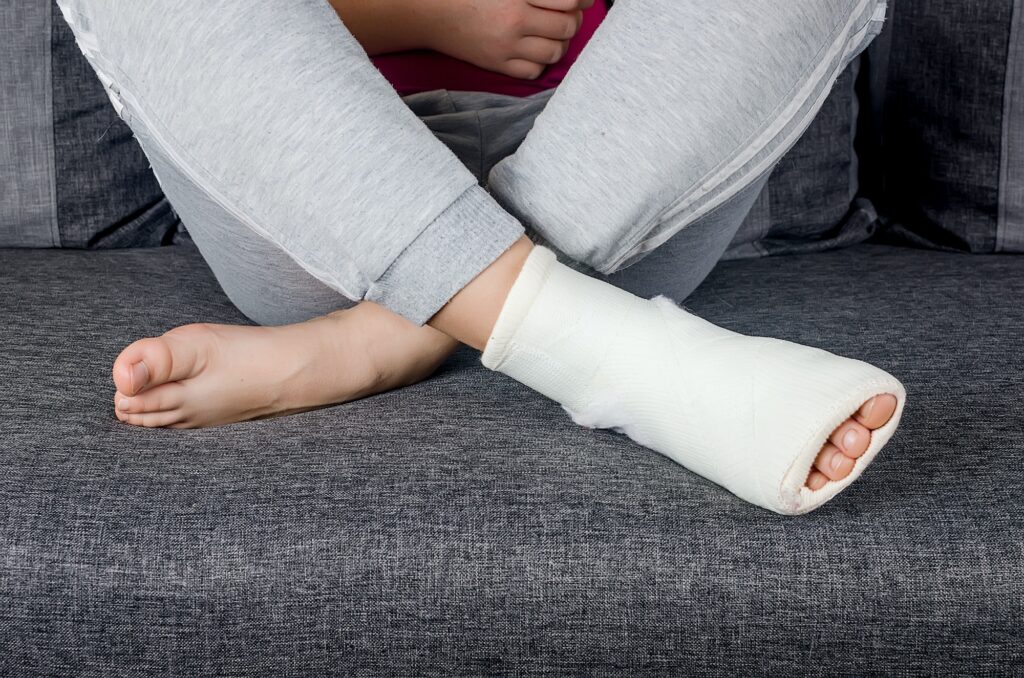
What You Need To Know
Understanding foot wounds, why they matter, and when to reach out for professional care.
Protecting Your Feet From Wound Complications
Wound care is particularly important for those with diabetes. It’s possible that what appears to be a small wound could turn into more severe foot complications down the road if left untreated.
It’s common for those with diabetes to experience neuropathy. Neuropathy is a type of nerve damage that affects the body and can cause you to lose feeling in the feet. If you’re no longer experiencing feeling in your feet and a wound develops, it’s very possible it may go unnoticed if you don’t check your feet daily.
Some factors that contribute to the formation of wounds on the feet include wearing tightly fitted shoes, getting a pebble stuck in your shoe, or simply walking. What may appear to be just a small inconvenience such as a blister or callus can worsen over time, so it’s important to be safe and seek the attention of a professional.
Wounds should be taken care of immediately after discovery, as even the smallest of wounds can become infected if enough bacteria build up within the wound. To remove dirt, wounds should first be rinsed under running water only. Soap, hydrogen peroxide, or iodine can irritate the injury and should be avoided. To prevent infection, apply antibiotic ointment to the wound and cover it with a bandage. The bandage should be changed daily, and the skin around the wound may be cleaned with soap.
Because wounds can lead to more severe complications, especially for those with diabetes, we recommend you speak with a podiatrist for professional guidance and a suggested plan for treatment.
Preventing Wounds and Preserving Mobility
Prevention is one of the most powerful tools in protecting your feet, particularly if you live with diabetes or reduced sensation in your feet. Small daily habits can make a significant difference in catching problems early and avoiding wounds that lead to serious complications.
Check your feet daily for any injuries, blisters, cuts, redness, or areas of pressure. If you have trouble seeing the bottoms of your feet, use a mirror or ask a family member for help. Early detection often makes the difference between a minor issue and a wound that requires extensive treatment.
Wash and dry your feet daily, paying close attention to the spaces between the toes where moisture can linger. Dress for comfort by choosing shoes that fit well and give your toes enough space to move without rubbing or pinching. Always check the inside of your shoes for pebbles or debris before putting them on.
Properly trim your toenails straight across to reduce the risk of ingrown nails, which can create an entry point for infection. If you have difficulty reaching your feet or managing your nails safely, a podiatrist can help with routine care.
If you’ve developed a wound, try your best to keep the weight off of the area until you’re able to meet with a podiatrist. Prompt evaluation gives you the best chance of healing quickly and preserving the health of your feet and limbs.
Find Wound Care Services Near You
Visit one of our convenient locations for expert wound care and limb preservation services.
Integrative Foot and Ankle Centers of Washington, Port Orchard
1950 Pottery Avenue, Suite 120
View Clinic
Integrative Foot and Ankle Centers of Washington, Bremerton
900 Sheridan Road, Suite 101
View Clinic
Integrative Foot and Ankle Centers of Washington, Renton
4300 Talbot Road South, Suite 315
View Clinic
Integrative Foot and Ankle Centers of Washington, Mill Creek
16030 Bothell Everett Highway, Suite 160
View Clinic
Integrative Foot and Ankle Centers of Washington, Kirkland
13030 121st Way NE, Suite 204
View Clinic

Don’t wait to have a foot wound looked at, we’re here to help you heal.
Early care protects your feet and your future. Let’s get you seen right away.