
Orthotics, Braces and Preventive Care
Custom bracing and orthotics designed to increase mobility, prevent falls, improve gait, and decrease pain.
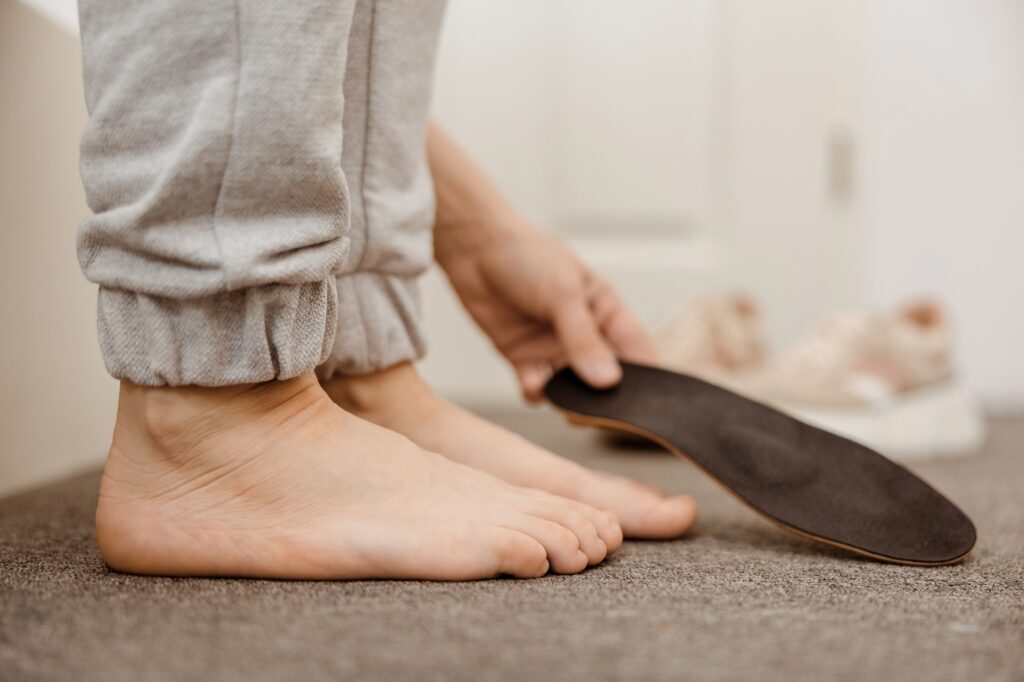
What You Need To Know
How custom braces and orthotics can support your feet, ankles, and daily mobility.
Custom Bracing for Foot and Ankle Support
Custom ankle braces called ankle foot orthotics (AFO) are available at Integrative Foot and Ankle Centers of Washington. These devices can help to increase mobility, prevent falls, improve gait, and decrease pain.
Several forms of custom foot and ankle orthotics are available depending on the condition. Examples include the Arizona brace, Moore Balance Brace, Ritchie Brace, Posterior leaf AFO, and Off Loading Leg Brace. Each design addresses different needs, from stabilizing a weakened ankle to offloading pressure from a painful joint or supporting a collapsed arch.
Conditions for which a custom foot and ankle orthotic would be appropriate include dropfoot, a history of falls, ankle instability, ankle arthritis, severe pes cavus foot, adult acquired flatfoot, and many more. Patients who struggle with balance, catch their toe when walking, or experience ongoing foot and ankle pain during daily activity are often good candidates for evaluation.
After being evaluated by one of our physicians, we will recommend a brace that meets your needs. We take custom molds of your lower extremity, and once the finished brace is received we ensure that it fits you properly. If you think a custom brace or orthotic could help, contact us today to schedule an appointment and get evaluated.
Getting the Most From Your Brace or Orthotic
A custom brace or orthotic works best when it becomes part of your daily routine. Most patients benefit from wearing the device consistently inside supportive, lace-up shoes with enough depth to accommodate the brace comfortably. Slip-on shoes and worn-out footwear can undermine the stability the device is designed to provide.
Breaking in a new brace takes time. It is common to start with shorter wear periods and gradually build up as your skin, muscles, and joints adjust to the new alignment. During this period, check your skin daily for any red spots, blisters, or pressure areas, especially over bony prominences. Small irritations caught early are easy to address with minor adjustments.
Custom devices are made to last, but they are not permanent. Straps stretch, padding compresses, and plastic shells can lose their shape over time. Changes in your weight, activity level, or underlying condition can also affect how well the brace fits. Periodic check-ins allow us to make adjustments or plan for a replacement before problems develop.
Bracing is often one part of a broader plan that may include footwear changes, physical therapy, balance training, and management of the underlying condition. If your brace feels uncomfortable, stops helping, or your symptoms change, reach out so we can reassess and keep you moving safely.
Related Services
Where to Find Bracing and Orthotic Care
Visit one of our Washington locations for custom brace fittings and preventive foot care.
Integrative Foot and Ankle Centers of Washington, Port Orchard
1950 Pottery Avenue, Suite 120
View Clinic
Integrative Foot and Ankle Centers of Washington, Bremerton
900 Sheridan Road, Suite 101
View Clinic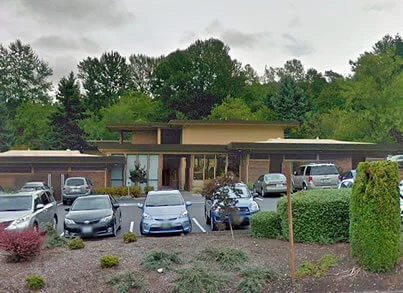
Integrative Foot and Ankle Centers of Washington, Renton
4300 Talbot Road South, Suite 315
View Clinic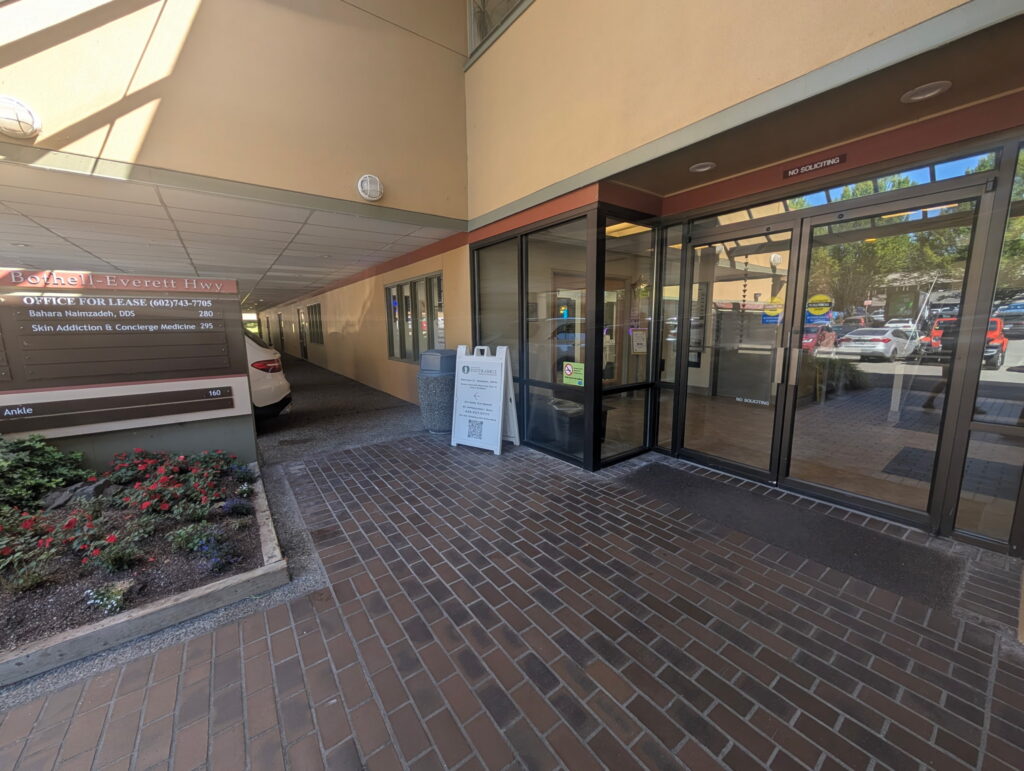
Integrative Foot and Ankle Centers of Washington, Mill Creek
16030 Bothell Everett Highway, Suite 160
View Clinic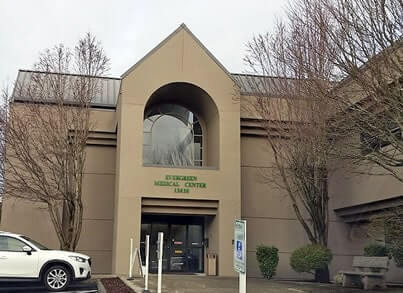
Integrative Foot and Ankle Centers of Washington, Kirkland
13030 121st Way NE, Suite 204
View Clinic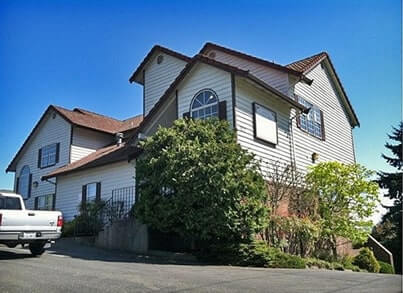
Ready to walk with more stability and less pain? Let’s find the right brace for you.
Our team is here to evaluate your needs and fit you with a device that works.