
Advanced Treatments and Procedures
From diagnostic ultrasound to minimally invasive surgery and laser therapy, we offer precise options for foot and ankle care.
What You Need To Know
A closer look at the advanced procedures we use to diagnose and treat foot and ankle conditions.
Advanced Foot and Ankle Procedures
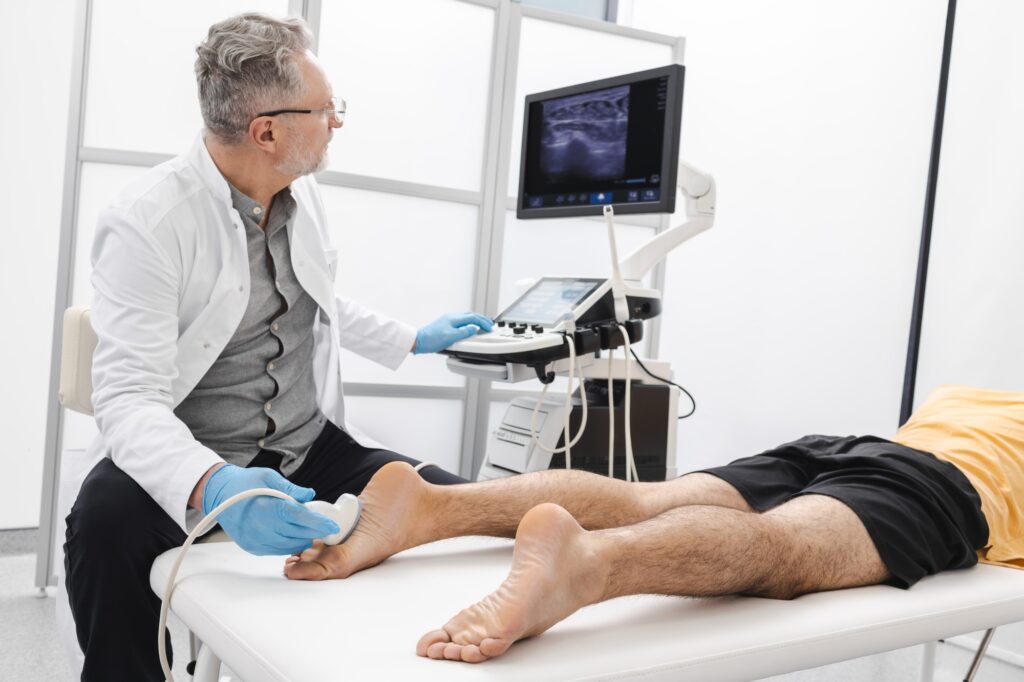
Diagnostic ultrasound is a non-invasive imaging technique that uses a special probe to take an image of your foot to help determine your condition. The probe emits sound waves into your body tissues, which return to the probe and are converted to an image. Ultrasounds can create images of the ligaments in your foot and ankle, plus the Achilles tendon, plantar fascia, posterior tibial tendon, and peroneal tendons.
Minimally invasive foot surgery refers to a type of surgery done with a very small incision that requires little or no stitching. Through these small incisions, surgeons insert specially designed instruments to perform the operation with minimal exposure to the surgical field and minimal injury to adjacent tissue, which makes recovery and outcomes more predictable.
FX635 Laser is a Low-Level Laser Therapy (LLLT), sometimes referred to as a cold laser, used to address acute and chronic pain. It has a photochemical effect that works to reduce oxidative stress and increases the production of ATP, which fuels other cellular processes in the body.
Subchondral stabilization is a minimally invasive procedure used to treat foot and ankle microfractures and bone marrow edema. An MRI will identify edema, which can be the cause of microfractures and chronic pain. A bone substitute material is injected to stabilize bones compromised by defects, lesions, or fractures, and is later replaced by new bone during healing.
If you or someone you know is experiencing pain or discomfort in the feet or ankles, seek out the help of a podiatrist for a proper diagnosis and treatment plan.
Skin Biopsy and What to Expect
The word biopsy can sometimes evoke fear and concern, but it really should be thought of as just another test, like getting a blood test, a CT, or an MRI. A biopsy is taking a small sample of tissue and sending it to a specialist to be evaluated to determine an accurate diagnosis. In most cases, the results help direct the physician on the proper pathway to further treat the condition.
A biopsy is recommended whenever there is a question about the actual diagnosis of a skin condition, when a new skin lesion has developed, or when the current treatment is not successful. The sampling of the skin is a quick in-office procedure that requires little post-procedure care and has very minimal risk of infection or other complications.
A small area of the lesion or skin condition is numbed with anesthetic, and then a very small piece of the skin is removed. So small, in fact, that stitches are not even required. A bandage is applied, which can be removed the next day, and the area can be treated with topical antibiotic and a bandaid.
The biopsy is sent to a certified skin pathologist, and results are usually available one to two weeks later. At that time you would follow up in our office to review the diagnosis and discuss definitive treatment plans. Never let a skin lesion or skin condition go untreated or undiagnosed. If you see something, say something and make an appointment to be properly evaluated.
Related Services
Advanced Foot and Ankle Care Near You
Find a convenient Integrative Foot and Ankle Centers of Washington location for your care.
Integrative Foot and Ankle Centers of Washington, Port Orchard
1950 Pottery Avenue, Suite 120
View Clinic
Integrative Foot and Ankle Centers of Washington, Bremerton
900 Sheridan Road, Suite 101
View Clinic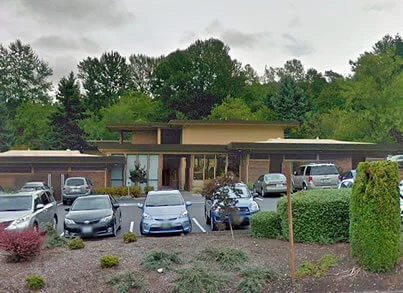
Integrative Foot and Ankle Centers of Washington, Renton
4300 Talbot Road South, Suite 315
View Clinic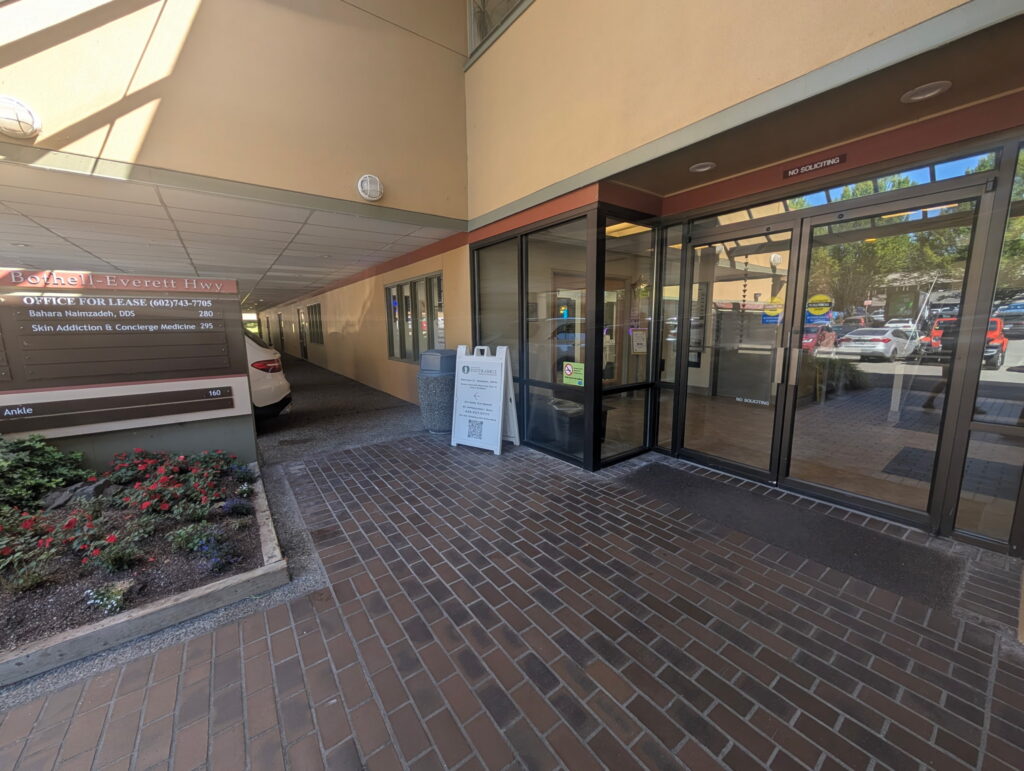
Integrative Foot and Ankle Centers of Washington, Mill Creek
16030 Bothell Everett Highway, Suite 160
View Clinic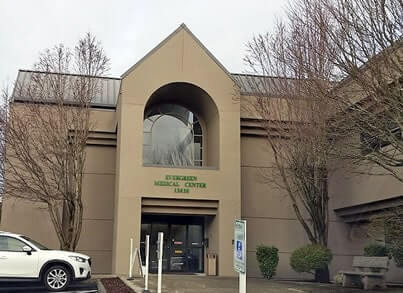
Integrative Foot and Ankle Centers of Washington, Kirkland
13030 121st Way NE, Suite 204
View Clinic
Ready to get answers and relief? Let’s schedule your visit today.
We’re here to help you get back on your feet with care that fits you.