
Diabetic Foot Care You Can Rely On
Protect your feet from the complications of diabetes with attentive, patient-focused podiatric care and daily guidance.
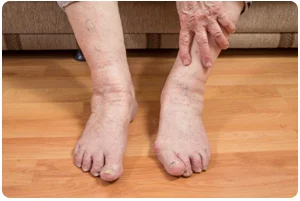
What You Need To Know
Understanding how diabetes affects your feet is the first step toward protecting them.
Caring for Your Feet With Diabetes
Unfortunately, foot problems are often a common result of having diabetes. As time goes by, it’s likely that diabetes can cause nerve damage, also known as diabetic neuropathy. This can lead to tingling or a painful sensation, and it may also cause you to lose feeling in your feet.
The loss of feeling in your feet can become incredibly dangerous, especially if you can no longer sense a blister or cut on your foot. Without that warning signal, small injuries can go unnoticed and progress into sores or infections that are much harder to treat. Diabetes can also reduce circulation to the feet, which slows healing and increases the risk of complications from even minor wounds.
In certain serious cases, you may notice a cut, blister, or bruise is not healing after a few days. If this occurs, it’s important to seek the help of a professional. Other warning signs include redness, swelling, a callus with dried blood inside of it, or an infection that causes discoloration of the foot and an odor.
Because diabetic foot problems can develop quietly, regular podiatric checkups are one of the most important steps you can take. If you notice any of the warning signs above, or simply want a baseline evaluation, contact us to schedule an appointment with a podiatrist who can help you protect your feet.
How To Maintain Healthy Feet With Diabetes
There are many ways to maintain healthy foot care when dealing with diabetes. Most importantly, you want to ensure that you’re managing your blood glucose levels, otherwise known as your blood sugar. You also want to ensure that you’re checking your feet daily. It’s important to recognize if your feet have cuts, sores, blisters, plantar warts, ingrown toenails, or other troubling foot conditions to stay ahead of the issue and prevent yourself from further harm.
Along with foot checks, you should also wash and dry your feet daily using lukewarm water. It may also be useful in certain cases to moisturize your feet a few times a week, especially if you’re prone to dryness. Please be advised, however, to avoid moisturizing between the toes as they will not dry properly.
Another rule you may want to follow is to ensure you’re cutting your toenails straight across. You should also refrain from digging into the sides of the toes; this will help prevent the development of an ingrown toenail. If you do happen to develop a corn or callus, never treat them yourself; seek the help of a professional.
It may also be beneficial to look into socks made specifically for those with diabetes to help provide yourself with extra cushion. You may also want to refrain from walking barefoot, as well as avoid smoking, as it restricts the blood flow to your feet.
If you’d like more information on how to maintain healthy feet while living with diabetes, seek the assistance of a podiatrist who can provide you with the tips needed for healthy foot care.
Related Services
Find Diabetic Foot Care Near You
Visit one of our convenient Washington locations for attentive diabetic foot care.

Integrative Foot and Ankle Centers of Washington, Port Orchard
1950 Pottery Avenue, Suite 120
View Clinic

Integrative Foot and Ankle Centers of Washington, Bremerton
900 Sheridan Road, Suite 101
View Clinic
Integrative Foot and Ankle Centers of Washington, Renton
4300 Talbot Road South, Suite 315
View Clinic
Integrative Foot and Ankle Centers of Washington, Mill Creek
16030 Bothell Everett Highway, Suite 160
View Clinic
Integrative Foot and Ankle Centers of Washington, Kirkland
13030 121st Way NE, Suite 204
View Clinic

Don’t wait to protect your feet, let’s build a diabetic foot care plan together.
We’re here to help you stay ahead of complications and keep walking comfortably.