
Hammertoe Treatments for Lasting Relief
Relieve pressure, pain, and stiffness caused by hammertoe with personalized care from our experienced podiatry team.
What You Need To Know
Understanding hammertoe can help you take the right steps toward relief.
Understanding Hammertoe and Your Care Options
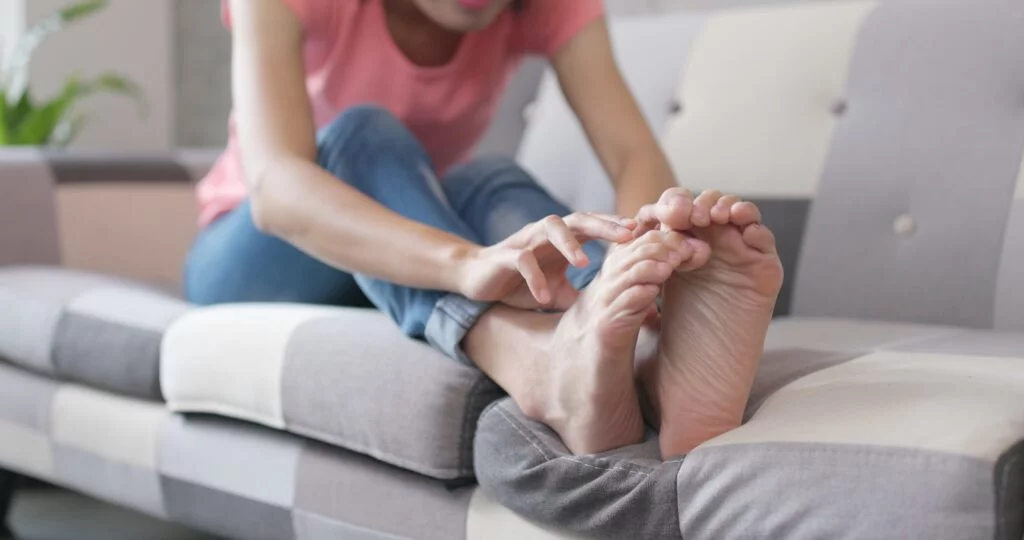
Hammertoes can be identified by an abnormal bend in the middle joint of the toe. This abnormal bending can lead to added pressure on the toe when wearing shoes. It can also cause pain or discomfort when walking or running.
Those experiencing hammertoe may also find other foot related issues that come with this condition, such as corns or calluses. These often develop where the bent toe rubs against the inside of a shoe, adding to the discomfort you feel throughout the day.
Some factors that may influence your likelihood of getting hammertoe include old age, toe length, improper footwear, and genetics. Those who have diabetes or arthritis are also more likely to have foot related complications, including hammertoe.
Because hammertoes typically worsen over time and become increasingly more rigid, it’s recommended that you seek the help of a podiatrist for treatment options if you believe you’re experiencing the symptoms of this deformity. Early evaluation allows for a wider range of conservative options before the joint becomes fixed.
For a proper diagnosis and recommended treatment plan, we suggest you consult with a podiatrist for professional help and care. Our team will assess the flexibility of the toe, review your symptoms, and work with you on a plan tailored to your needs.
Prevention and Everyday Care for Hammertoe
To help better prevent yourself from getting hammertoe, it’s recommended that you avoid wearing shoes that limit the room for your toes. Footwear with low heels, as well as adjustable straps or laces, can be useful when it comes to providing your feet with ample room to move.
Buying shoes that fit is also important, which is why we recommend shopping at the end of the day when your feet are at their largest. This simple habit helps you avoid choosing a shoe too small for your feet and reduces the pressure placed on the toe joints.
Orthotics, as well as medical pads for corns and calluses that may develop due to your hammertoe, are recommended to help relieve discomfort. These supports can redistribute pressure across the foot and reduce friction in problem areas.
Light toe exercises may also be helpful for strengthening the muscles and mobility of your toes. Gentle stretching and range of motion movements can help keep the joint flexible, particularly in the earlier stages of the condition.
If home care is not providing enough relief, or if the toe is becoming more rigid, it may be time to speak with a podiatrist about additional options. Our providers can walk you through what to expect and help you decide on the next step that fits your lifestyle.
Find Hammertoe Care Near You
Visit one of our convenient locations for hammertoe evaluation and treatment.



Integrative Foot and Ankle Centers of Washington, Kirkland
13030 121st Way NE, Suite 204
View Clinic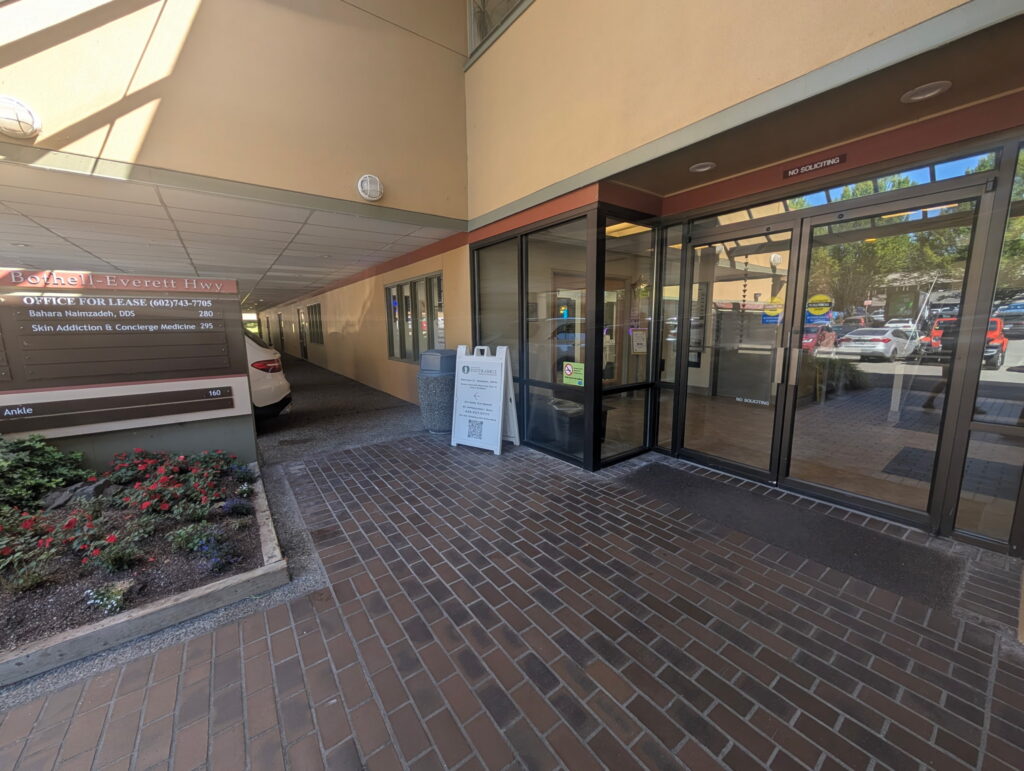
Integrative Foot and Ankle Centers of Washington, Mill Creek
16030 Bothell Everett Highway, Suite 160
View Clinic
Integrative Foot and Ankle Centers of Washington, Renton
4300 Talbot Road South, Suite 315
View Clinic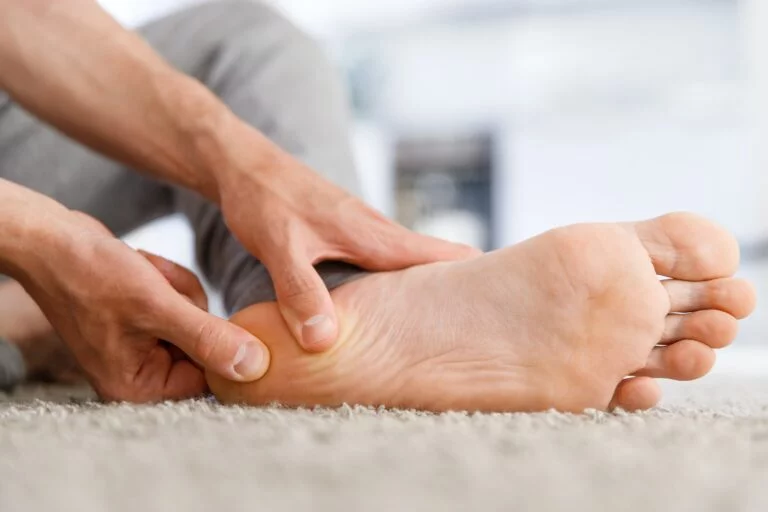
Integrative Foot and Ankle Centers of Washington, Bremerton
900 Sheridan Road, Suite 101
View Clinic
Integrative Foot and Ankle Centers of Washington, Port Orchard
1950 Pottery Avenue, Suite 120
View ClinicDon’t let hammertoe pain slow you down, we’re here to help you find relief.
Schedule your visit today and let’s build a treatment plan that works for you.