
Physical Therapy and Rehab for the Foot
Work with foot and ankle movement specialists to address pain, recover from injury, and return to the activities you enjoy.
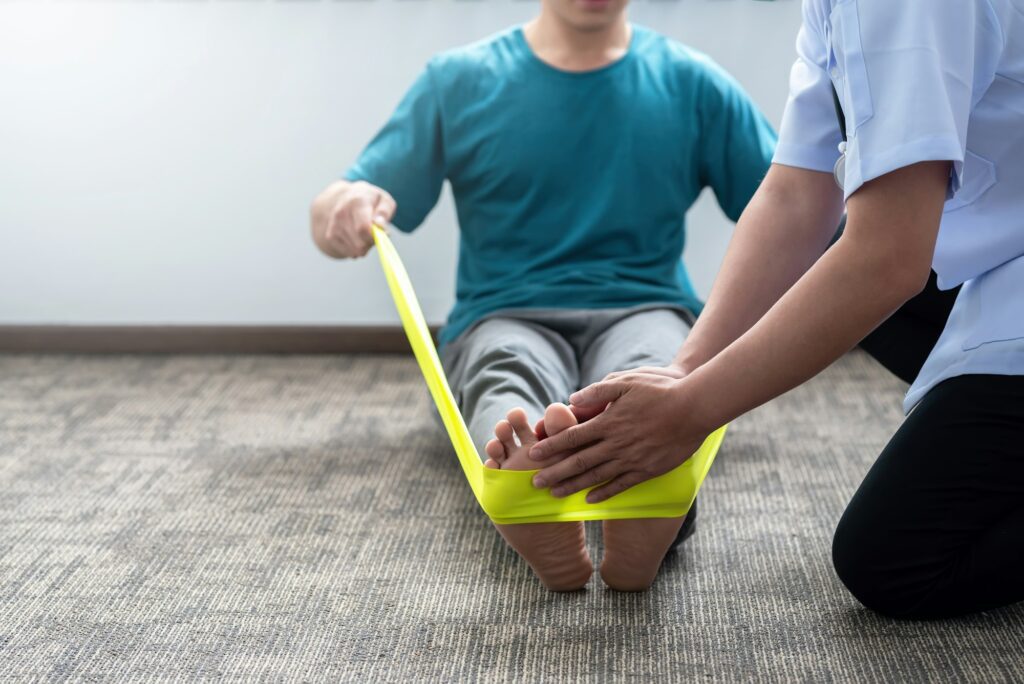
What You Need To Know
How physical therapy can help you address foot and ankle pain and recover well.
Physical Therapy for Foot and Ankle Care
If you are experiencing foot and ankle pain caused by an injury, foot deformity, or other issue, you can inquire about physical therapy treatment for your ailment by calling our office or requesting an appointment.
Choosing physical therapy treatment is one of the safest and most effective ways to address your foot and ankle pain all while working towards healthier movement patterns and an improved lifestyle. Working with a foot and ankle physical therapist can help to overcome issues involving the mechanics or structures of your foot and ankle. We have also had success using physical therapy to help patients rehabilitate from plantar plate tears and other foot injuries.
Physical therapy can also be a useful alternative or complement to foot surgery in order to alleviate the root causes of foot deformities such as hammer toe and claw toe. Our physical therapists are licensed in evaluating and treating movement pathologies, and they strive for continuous improvement by advancing their knowledge through continued education and obtaining certifications in evidence-based treatment methods routinely.
Our physical therapy foot and ankle specialists are movement experts, first and foremost. They are trained to treat pain and dysfunction in all areas of the body with the added benefit of having a foot and ankle specialization given their collaboration with our physicians. If you are ready to address your pain, reach out to schedule an evaluation with our team.
Rehabilitation After Total Ankle Replacement
Generally at six weeks the total ankle components have effectively attached to the surrounding bone, at which point patients can begin transitional weight bearing and start the rehabilitation process. Physical therapy is usually needed to get a start on this process and to help you transition to a home program.
Calf weakness is a prominent problem associated with patients with long term ankle arthritis. The pain of arthritis forces patients to limit their activities sometimes for years. As a result, after the primary pain source has been removed it is natural to increase activities and suffer from persistent calf weakness. Typically, the calf after total ankle replacement can be one to two inches smaller than the opposite leg.
There are exercises that will address the calf weakness, however it often takes time to resolve the problem. Interestingly, while walking is an excellent exercise, this activity will only maintain calf strength but will not build strength. Therefore, it is critical to work the calf muscle against gravity. As long as the calf is weak the ankle will tend to swell, so calf exercises are important to begin.
As one would expect, having years of arthritic pain will lead to compensation patterns in gait that need to be unlearned. One of the tendencies is to turn the foot outward to take pressure off the ankle. Our physical therapists work with you to retrain these patterns so that you can walk more comfortably and confidently as your recovery progresses.
Find Physical Therapy Care Near You
Visit one of our Washington locations to begin physical therapy and rehab close to home.
Integrative Foot and Ankle Centers of Washington, Port Orchard
1950 Pottery Avenue, Suite 120
View Clinic
Integrative Foot and Ankle Centers of Washington, Bremerton
900 Sheridan Road, Suite 101
View Clinic
Integrative Foot and Ankle Centers of Washington, Renton
4300 Talbot Road South, Suite 315
View Clinic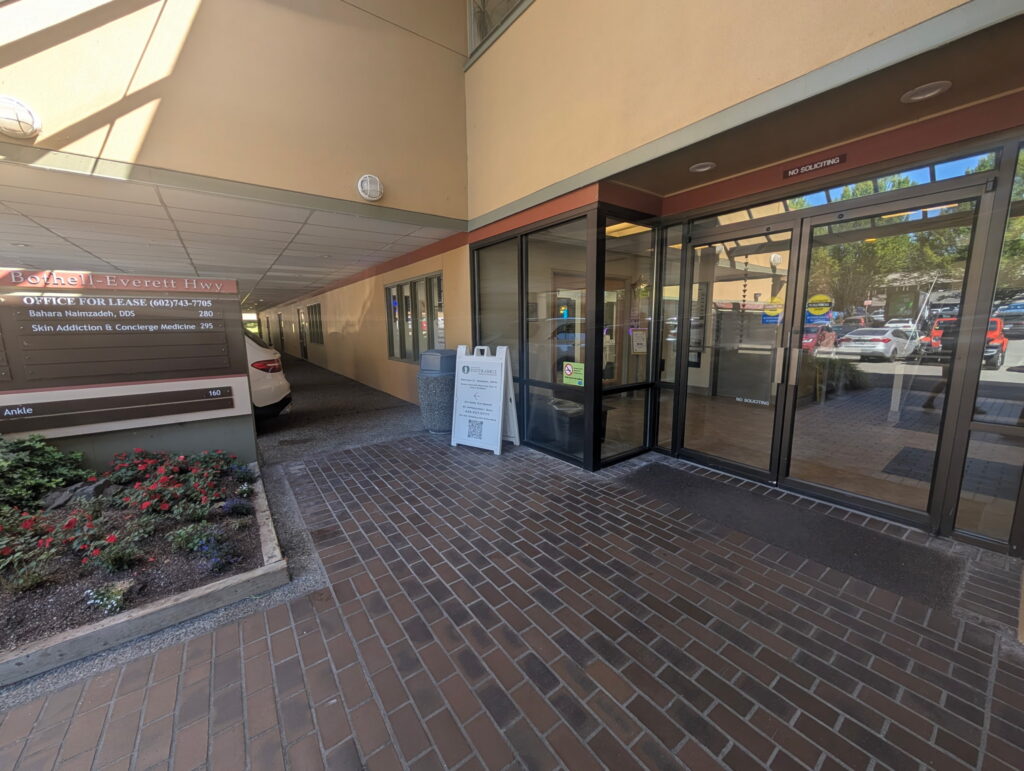
Integrative Foot and Ankle Centers of Washington, Mill Creek
16030 Bothell Everett Highway, Suite 160
View Clinic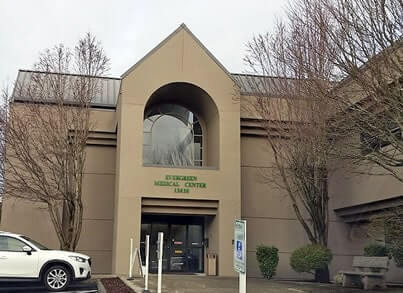
Integrative Foot and Ankle Centers of Washington, Kirkland
13030 121st Way NE, Suite 204
View Clinic
Ready to get moving again? Let’s build a plan that gets you back to what you love.
We’re here to help you recover comfortably and confidently. Reach out today.