
Achilles Tendonitis Care and Treatment
Relief for heel and calf pain caused by Achilles tendon injuries, from conservative therapy to surgical repair.
What You Need To Know
Understanding the Achilles tendon, common injuries, and how we treat them.
Understanding Achilles Tendonitis
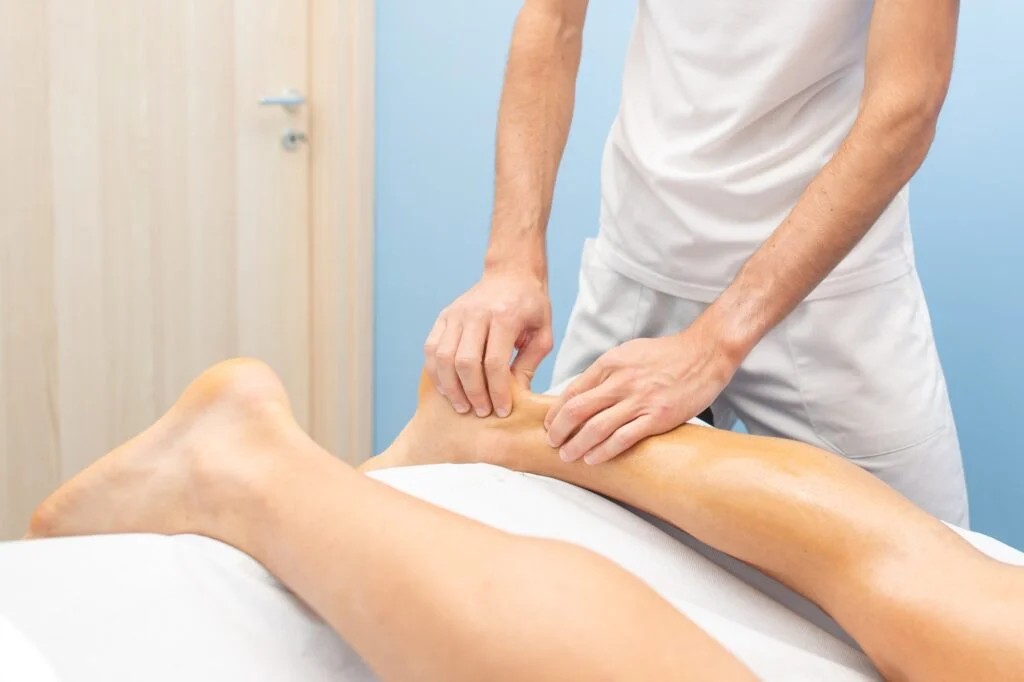
The Achilles tendon is not only the strongest, but also the largest tendon in the human body. Its main function is to transmit power from the calf muscles to the heel and the foot. It’s because of the Achilles tendon that we are able to stand on our toes when walking, running, or jumping. Even with all of its strength, the Achilles tendon can be exposed to injury. Due to its limited blood supply and the high tensions placed on it, the Achilles can be left vulnerable if harmed.
Possible conditions that may arise due to injury of the Achilles tendon include tears, ruptures, tendinitis, peritendinitis, tendinosis, tendinopathy, and bursitis. Each of these conditions involves different degrees of inflammation, degeneration, or structural damage to the tendon and surrounding tissues.
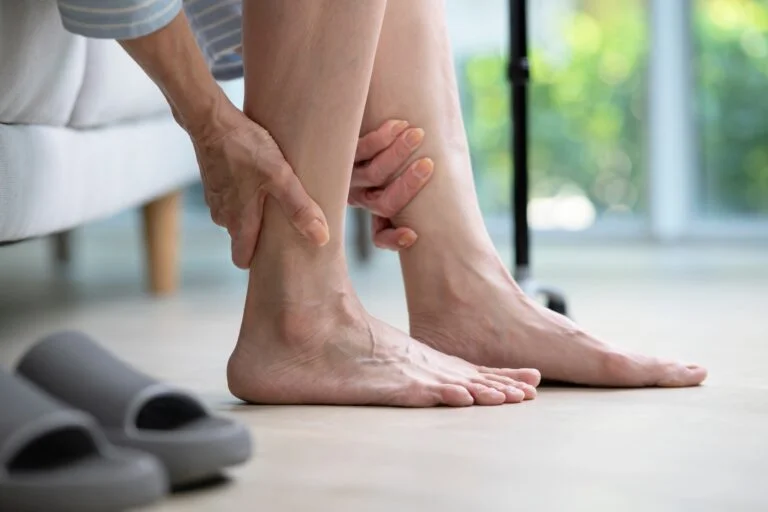
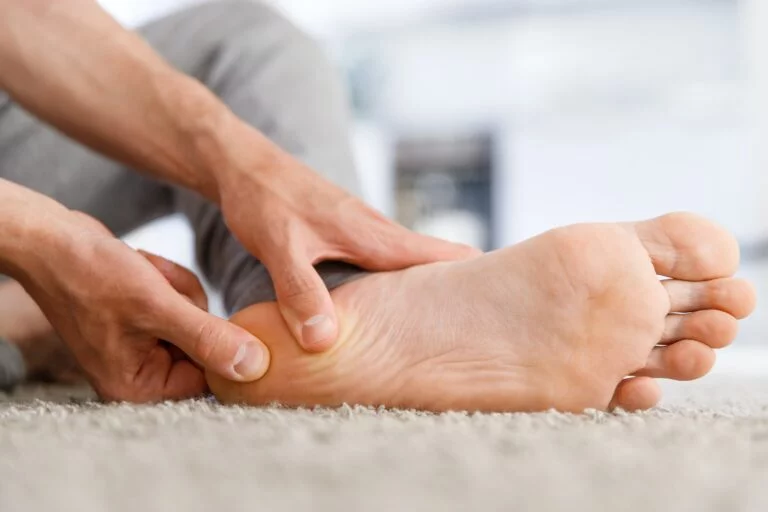
Common signs of an Achilles tendon problem include pain, swelling, or discoloration around the heel or lower leg area. Discomfort may worsen with activity, after long periods of rest, or when pushing off the foot during walking or running. A sudden, sharp pain in the back of the leg during activity can be a sign of a rupture and should be evaluated promptly.
When trying to diagnose Achilles tendon issues, a podiatrist will commonly check for any pain, swelling, or discoloration around the heel or lower leg area, along with reviewing your activity history and symptoms. If you or someone you know is experiencing pain or discomfort involving the Achilles region, seek out the help of a podiatrist for a proper diagnosis and treatment regime.
Treatment, Surgery, and Recovery
Different treatments for issues concerning the Achilles tendon vary, but may include over-the-counter or prescribed pain relievers for intense discomfort, alternating ice and heat therapy, custom-made orthotics, physical therapy, and in severe cases, surgery. Most cases of tendonitis respond well to conservative care when addressed early.
When a tendon is fully torn, Achilles rupture repair surgery may be recommended. The procedure is conducted on an outpatient basis using a local anesthetic. It involves an incision in the back of the leg above the heel to access the torn tendon, suturing the ruptured ends back together, and applying a splint while the tendon heals, followed by a gradual transition back to weightbearing. Surgery may be delayed about one week to let swelling go down.
After surgery, we typically follow a modified contemporary protocol, which may be adjusted on an individual patient basis. The first two weeks involve a splint, non-weight-bearing with crutches, and icing and elevation. From weeks two to four, patients transition to a CAM boot with a 2cm heel lift and protected weight-bearing. Weeks four to six allow weight-bearing as tolerated with active ankle range of motion to neutral. At six to eight weeks, the heel lift is removed, physical therapy begins, and scar massage is introduced. Between eight and twelve weeks, patients wean off the boot and continue physical therapy.
To help prevent future injury, regularly stretch the lower leg muscles and gradually build up your activity. With a structured plan, most patients return to their normal routines.
Find Achilles Care Near You
Visit one of our convenient Washington locations for expert Achilles tendon care.
Integrative Foot and Ankle Centers of Washington, Port Orchard
1950 Pottery Avenue, Suite 120
View Clinic
Integrative Foot and Ankle Centers of Washington, Bremerton
900 Sheridan Road, Suite 101
View Clinic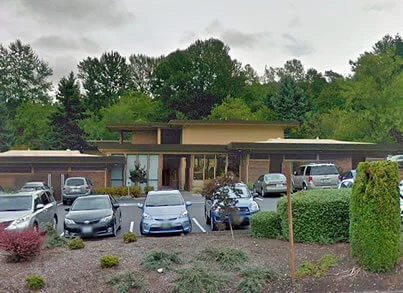
Integrative Foot and Ankle Centers of Washington, Renton
4300 Talbot Road South, Suite 315
View Clinic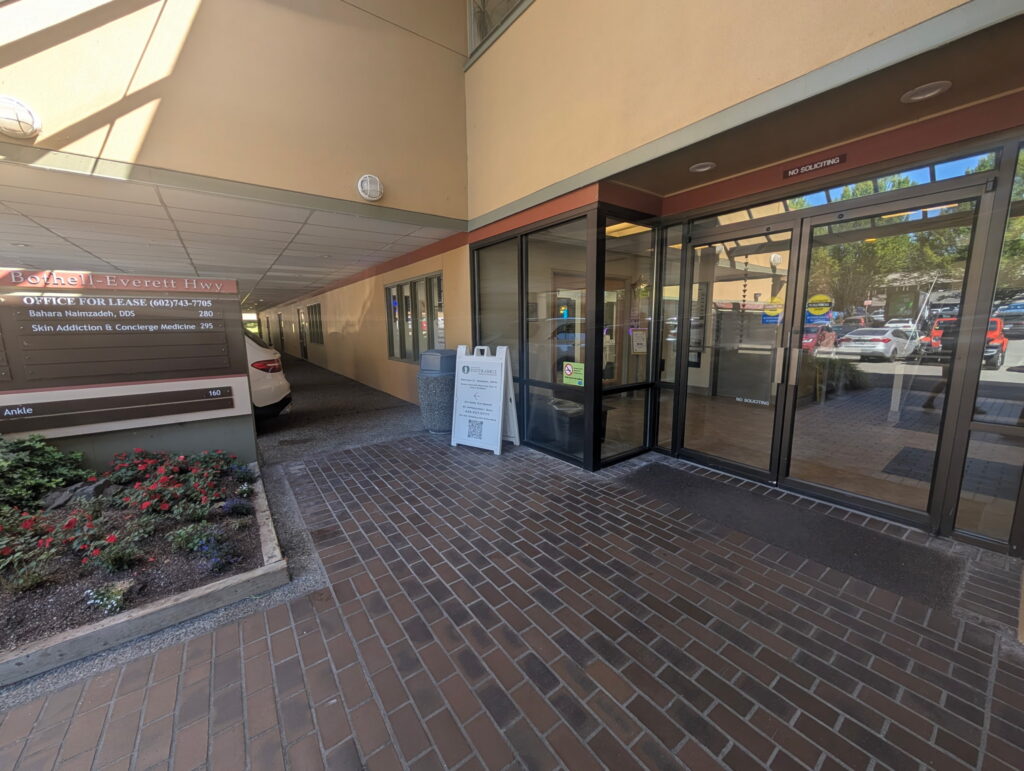
Integrative Foot and Ankle Centers of Washington, Mill Creek
16030 Bothell Everett Highway, Suite 160
View Clinic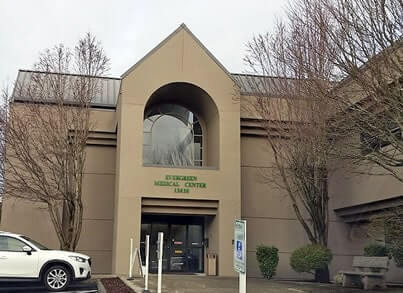
Integrative Foot and Ankle Centers of Washington, Kirkland
13030 121st Way NE, Suite 204
View Clinic
Don’t let Achilles pain slow you down, let’s get you back on your feet.
We’re here to help you find relief and return to the activities you love.