
Nerve Testing for Chronic Pain
Accurate nerve and muscle testing to identify the source of your leg pain, numbness, and neuropathy symptoms.

What You Need To Know
Understanding nerve sensory testing and how it helps diagnose chronic lower extremity pain.
Nerve Sensory Testing Explained
Nerve/Neurological Sensory Testing is performed using an electromyogram (EMG), which measures the electrical activity of muscles at rest and during contraction. Nerve conduction studies measure how well and how fast the nerves can send electrical signals.
Nerves control the muscles in the body with electrical signals called impulses. These impulses make the muscles react in specific ways, allowing your doctor to evaluate the responsiveness of the nerves and muscles. An abnormal response indicates a problem with the nerves and muscles, and may help to establish the specific nature of the issue.
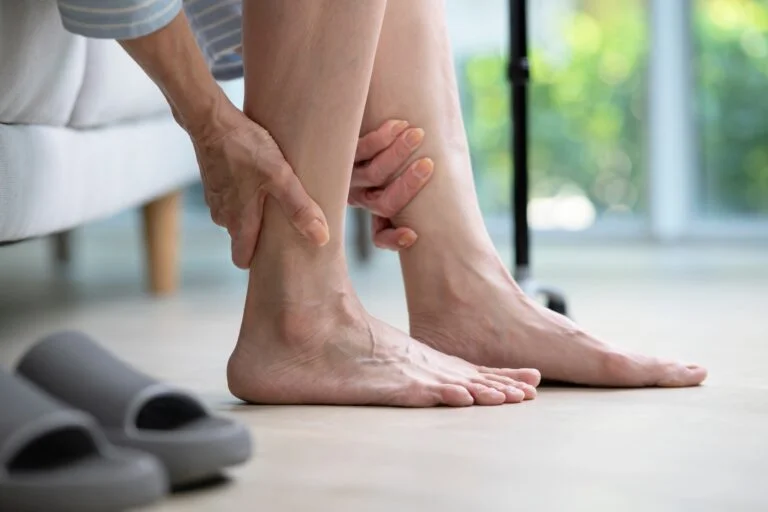
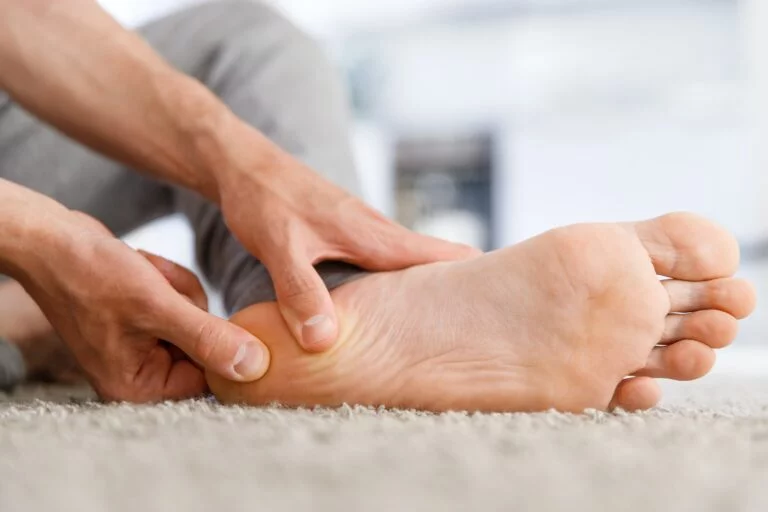
Symptoms of nerve damage include tingling, numbness, weakness, spasms, or paralysis of the leg muscles. You may feel like there are needles stabbing the tops or bottoms of your feet with each step. Poor circulation, diabetes, injuries, and other conditions can cause damage to nerves and muscles that impedes their ability to conduct signals and respond to impulses from the brain.
No major preparation is necessary for an EMG. You should bathe or shower the day of the test, and your doctor may ask you not to use lotion or oil on the area being examined, as these can interfere with results. Inform your doctor if you have a pacemaker or cardiac defibrillator, as electrical stimulation may affect these implants.
If you are experiencing any symptoms of nerve damage or a nerve disorder, a nerve sense test may be called for. Contact our office to schedule an evaluation and determine whether nerve testing is the right next step for you.
Expert Foot Care Explained
Treatment Options After Testing
Once testing identifies the source of your nerve pain, we use a comprehensive approach to managing peripheral neuropathy and chronic pain in the lower legs. This system includes accurate diagnosis and advanced treatment options such as RST Sanexas, K-Laser, and therapeutic injections.
The RST Sanexas neoGEN-Series electric cell signaling system uses highly targeted electric currents to reprogram peripheral cells that have begun to malfunction. It is similar in concept to a TENS unit, but works with a higher level of sophistication. While it takes several treatments to feel the full effects, many patients start sleeping better the first night. To achieve optimal results, we may combine treatment with vitamin B complex and analgesic medications.
For painful Morton’s neuromas, chemical nerve ablation involves a series of alcohol injections into the foot. A minimum of three and a maximum of seven injections are given, each a week apart. Alcohol has a higher affinity for nerve tissue and is used to chemically destroy the nerve. The injections have a low complication rate and are found to be successful at reducing pain in nearly 90% of cases.
There may be some mild muscle soreness following an EMG, but this should subside after a day or two. You will receive your results within a couple of days, and if needed your doctor will work with you to build a treatment plan based on your diagnosis.
Nerve Testing Locations Near You in Washington
Find a convenient Integrative Foot and Ankle Centers of Washington location offering nerve testing.
Integrative Foot and Ankle Centers of Washington, Port Orchard
1950 Pottery Avenue, Suite 120
View Clinic
Integrative Foot and Ankle Centers of Washington, Bremerton
900 Sheridan Road, Suite 101
View Clinic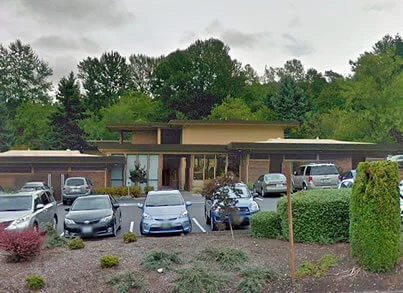
Integrative Foot and Ankle Centers of Washington, Renton
4300 Talbot Road South, Suite 315
View Clinic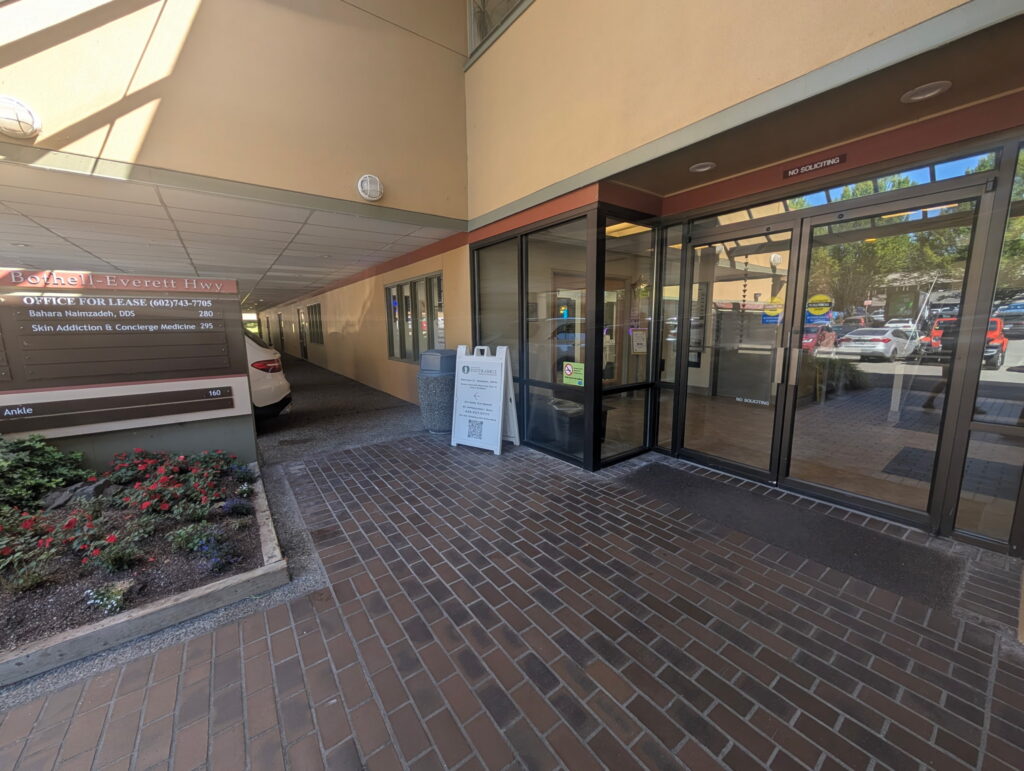
Integrative Foot and Ankle Centers of Washington, Mill Creek
16030 Bothell Everett Highway, Suite 160
View Clinic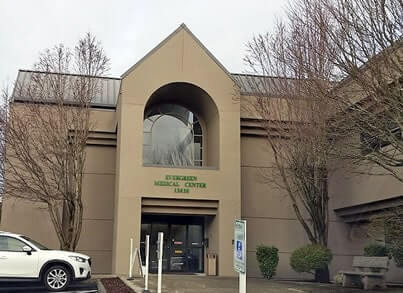
Integrative Foot and Ankle Centers of Washington, Kirkland
13030 121st Way NE, Suite 204
View Clinic
Don’t let nerve pain keep running your life. Let’s find the cause together.
We’re here to help you understand what’s happening and get you moving again.