
Plantar Fasciitis and Heel Pain Care
Relief from stubborn heel pain starts with an accurate diagnosis and a treatment plan built around your daily life.
What You Need To Know
Understanding the cause of your heel pain is the first step toward lasting relief.
Understanding Plantar Fasciitis and Heel Pain
Heel pain can be difficult to deal with, especially if you do not know what the underlying cause is. If you ignore your heel pain, the pain can magnify and potentially develop into a chronic condition. Depending on the location of your heel pain, you may have developed a specific condition, such as plantar fasciitis or a heel spur.
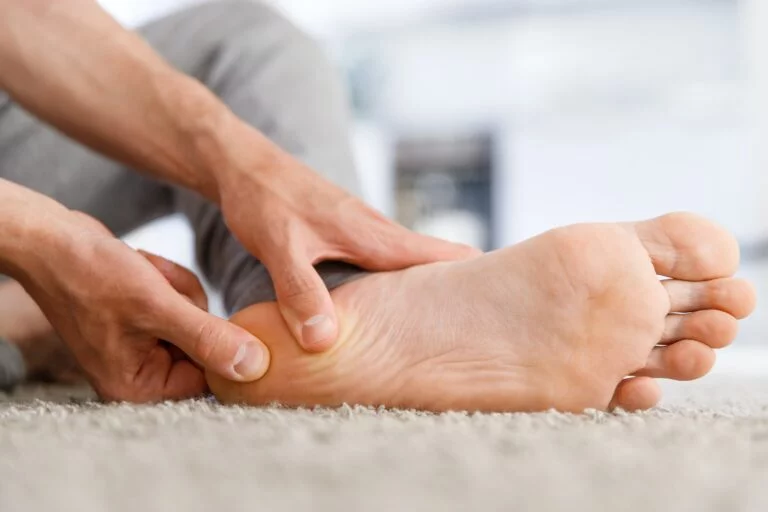
Plantar fasciitis is caused by inflammation of the plantar fascia, the band of tissue that connects the heel bone to the base of the toes. It affects the heel, arch, and midfoot. When too much stress is placed on the plantar fascia, inflammation, overtightening, and tearing may arise. The pain is often mild at first but can intensify with your first steps in the morning, after sitting, or after standing for long periods.
Heel spurs are brought on by a calcium deposit that causes a bony protrusion on the underside of the heel bone. They form over time and are commonly linked with plantar fasciitis. Symptoms include pain in the affected area, inflammation, and swelling at the front of the heel.
Causes include poor arch support, walking barefoot, shoes with inadequate support, obesity or sudden weight gain, increased activity, weak foot and ankle muscles, tight calf muscles, arthritis, and repetitive stress from running on hard surfaces.
Because plantar fasciitis worsens over time, we recommend meeting with a podiatrist as soon as possible. Our offices are equipped with digital X-rays and diagnostic ultrasounds to help us reach a fast and accurate diagnosis.
Treatment Options and Prevention
There are several treatment options your podiatrist may suggest for heel pain. Non-steroidal anti-inflammatory drugs (NSAIDs) may reduce swelling and pain. Other options include physical therapy, athletic taping, and orthotics. In severe cases, surgery may be required.
Our practice uses a range of medical technologies to support high success rates in treating heel pain. These include radial pulse therapy, K-Laser therapeutic laser, RST SANEXAS therapy, steroidal and non-steroidal ultrasound injections, minimally invasive surgery, customized orthotic therapy, brace therapy, sports physical therapy, and customized topical therapy.
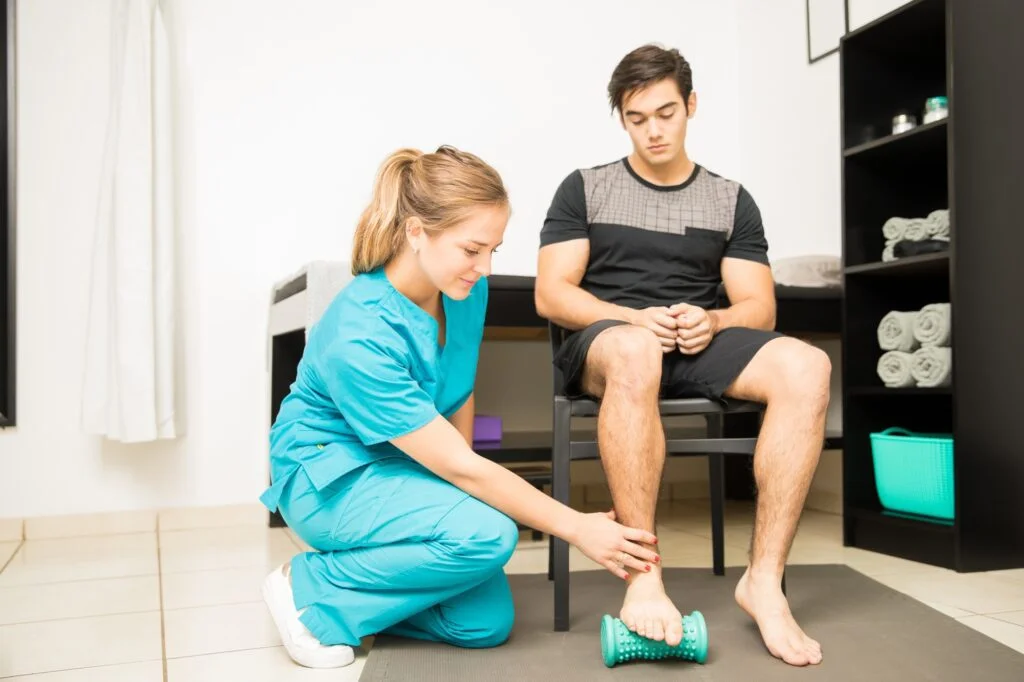
Treating a heel spur often requires a lifestyle change as well as getting plenty of rest. Cold compresses can help alleviate discomfort, and shoe inserts or custom orthotics may prevent further damage. Targeted exercises can also reduce pain and inflammation, including calf stretches against a wall or on steps, foot rolls with a golf or tennis ball, seated foot flexes, and towel grabs with your toes.
Preventing heel pain is possible. Wear shoes that fit properly and are not worn down, and warm up before strenuous activities. With the right diagnosis and a treatment plan tailored to your needs, most patients see meaningful improvement and return to the activities they enjoy.
Find Heel Pain Care Near You
Visit one of our convenient Washington locations for expert heel pain treatment.
Integrative Foot and Ankle Centers of Washington, Port Orchard
1950 Pottery Avenue, Suite 120
View Clinic
Integrative Foot and Ankle Centers of Washington, Bremerton
900 Sheridan Road, Suite 101
View Clinic
Integrative Foot and Ankle Centers of Washington, Renton
4300 Talbot Road South, Suite 315
View Clinic
Integrative Foot and Ankle Centers of Washington, Mill Creek
16030 Bothell Everett Highway, Suite 160
View Clinic
Integrative Foot and Ankle Centers of Washington, Kirkland
13030 121st Way NE, Suite 204
View Clinic

Don’t let heel pain slow you down any longer, let’s get you back on your feet.
We’re ready to help you find relief with a plan built around your lifestyle.