
Flat Feet Care and Preventive Support
Realign and stabilize your feet with orthotics, bracing, and advanced treatments that address the root cause.
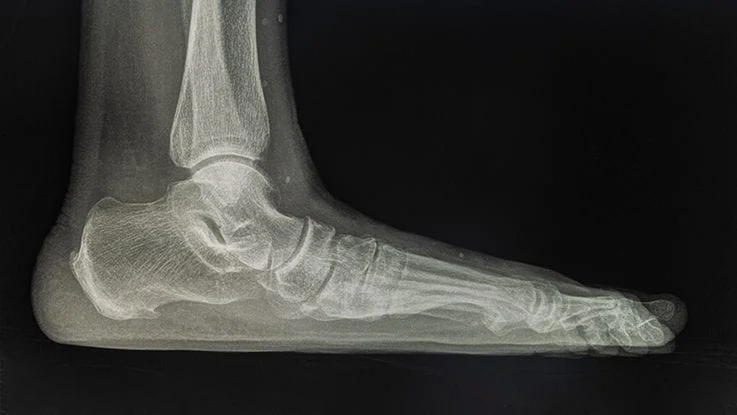
What You Need To Know About Flat Feet
Understanding flat feet, why they happen, and the care options available to you.
Flat Feet Evaluation and Treatment
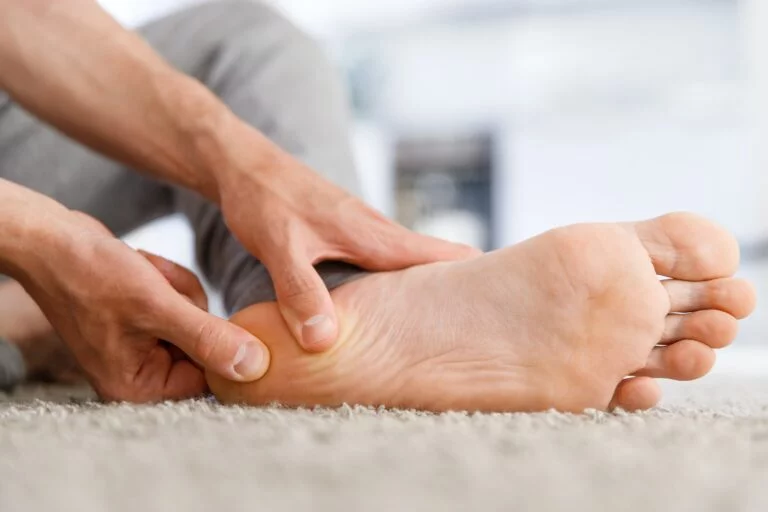
A pediatric flatfoot, or pes planus, is a condition in which the longitudinal arch of the foot does not develop normally and is lower or flatter than expected. There is a distinct difference between the painful and the non-painful flatfoot. Many flatfoot conditions are inherited, especially when seen in children, but may also result from an injury or other systemic conditions.
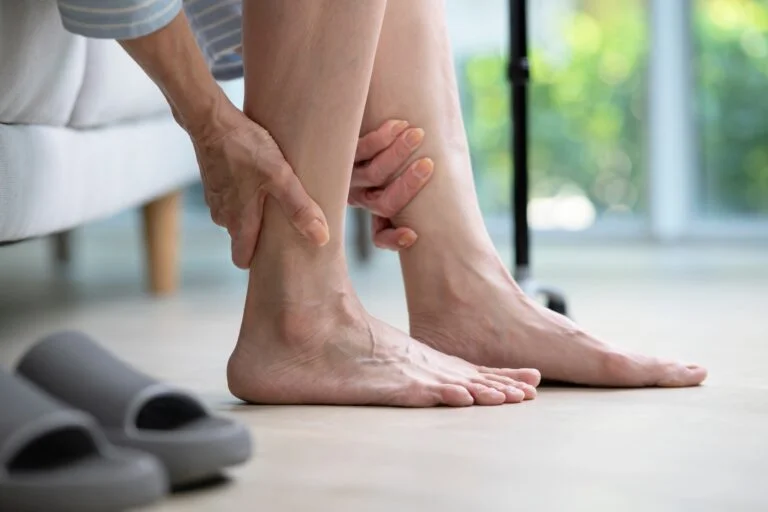
Adult Acquired Flatfoot, also known as Posterior Tibial Tendon Dysfunction (PTTD), is a progressive disorder that involves a compromise of the tibialis posterior tendon and the ligaments that support the inside arch. It most commonly affects women after the age of 40 and is characterized by a noticeable collapse or sagging of the arch with an outward shift of the forefoot and heel and an inward shift of the ankle.
Misaligned ankle bones are responsible for the majority of chronic problems to the foot and ankle, and can lead to a chain reaction of destructive forces acting on the knees, hips, and back. This condition will not resolve on its own. Patients do not grow out of it, and it cannot be properly treated with exercise or physical therapy alone.
There are four clinical stages of PTTD, with each stage becoming progressively more disabling. It is important to diagnose this problem early and begin treatment to slow the disease process. If you or your child has painful flat feet that do not respond to conservative care, schedule an evaluation so we can determine the right treatment plan.
Surgical and Corrective Treatment Options
EOTTS stands for extra-osseous talotarsal stabilization. This is a minimally invasive procedure where an FDA cleared titanium stent is placed into a naturally occurring space between the ankle and heel bones, called the sinus tarsi. There is no drilling or cutting. The ankle bone is repositioned on the heel bone, reopening the space, and the stent is sized to stabilize the hindfoot while allowing normal motion. It is typically performed under local anesthesia in about 20 minutes, works for children and adults, and is reversible if needed.
For Stage II PTTD, surgical options may include tendon transfer using fibers from the flexor digitorum longus, osteotomy of the heel bone, lateral column lengthening (Evans procedure), gastrocnemius recession, and arthrodesis to fuse midfoot bones. Advanced Stage III and Stage IV cases often require rearfoot fusion, and severe Stage IV may involve ankle ligament reconstruction or total ankle replacement.
Pediatric flatfoot reconstruction differs from adult surgery because joint arthritis is rare in children, so joint sparing procedures are favored to maximize future function. Options may include lateral column lengthening, midfoot osteotomy (Cotton procedure), and gastrocnemius recession, performed only as needed.
Most patients return to normal walking within a few weeks after HyProCure, with the bones, tendons, and ligaments continuing to adapt over the following months. Contact our office to discuss which corrective option is right for you.
Flat Feet Care at a Location Near You
Find a convenient location for flat feet evaluation and treatment across Washington.
Integrative Foot and Ankle Centers of Washington, Port Orchard
1950 Pottery Avenue, Suite 120
View Clinic
Integrative Foot and Ankle Centers of Washington, Bremerton
900 Sheridan Road, Suite 101
View Clinic
Integrative Foot and Ankle Centers of Washington, Renton
4300 Talbot Road South, Suite 315
View Clinic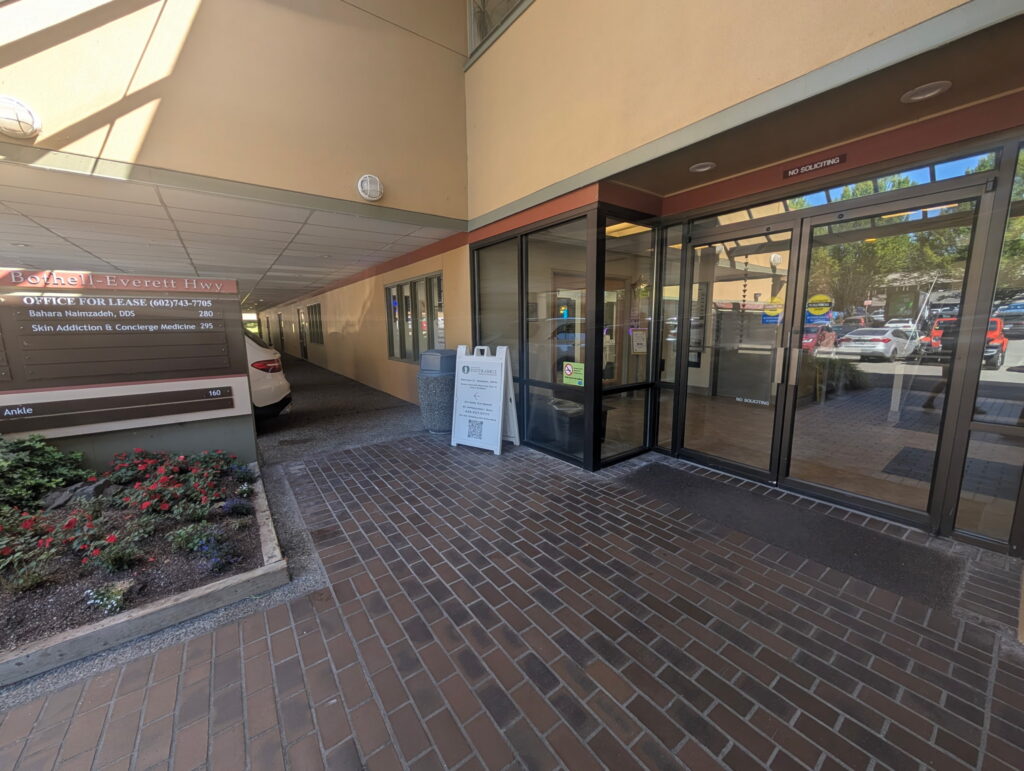
Integrative Foot and Ankle Centers of Washington, Mill Creek
16030 Bothell Everett Highway, Suite 160
View Clinic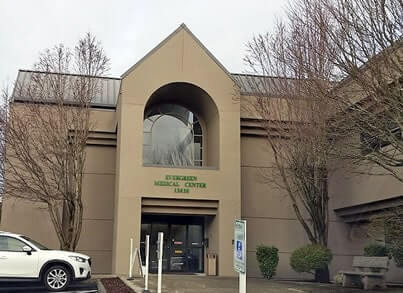
Integrative Foot and Ankle Centers of Washington, Kirkland
13030 121st Way NE, Suite 204
View Clinic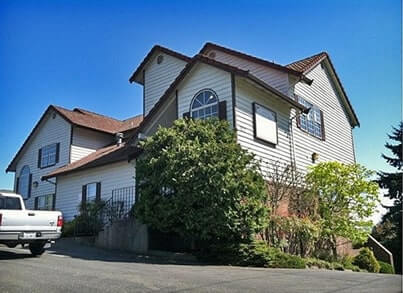
Ready to get relief from flat feet? Let’s find the right treatment for you.
You don’t have to live with foot pain. Schedule your visit today.