
Preventive Foot and Ankle Screenings
Routine screenings help catch foot and ankle problems early, before they turn into pain, injury, or long-term issues.
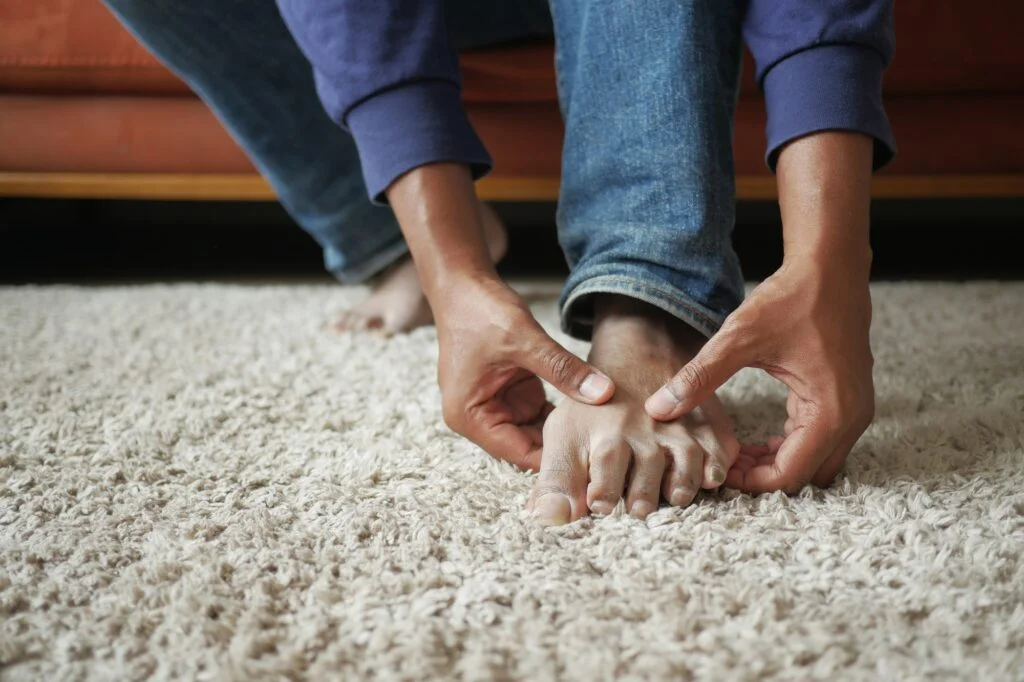
What Preventive Screenings Cover
A look at what happens during a screening and why routine foot care matters.
Understanding Preventive Foot Care
Preventive foot and ankle screenings are routine evaluations designed to identify problems before they cause pain, limit your activity, or develop into more serious conditions. Your feet carry you through every step of your day, and small issues that go unnoticed can turn into chronic problems over time. Regular screenings give your podiatrist the chance to assess how your feet are functioning and address concerns early.
During a screening, your provider looks at the overall health of your skin, nails, joints, and circulation. This may include checking for early signs of conditions such as bunions, hammertoes, plantar fasciitis, tendon issues, nerve changes, or skin and nail concerns. Patients living with diabetes, arthritis, circulation problems, or a history of foot injury benefit especially from consistent screenings, since these conditions can quietly progress without obvious symptoms.
Many foot and ankle problems begin with subtle signs: mild discomfort at the end of the day, changes in the shape of a toe, thickened nails, dry or cracked skin, numbness, or shoes that no longer fit the way they used to. These small changes are often easy to address when caught early and much harder to reverse once they progress.
If you have not had your feet evaluated recently, or if you notice something new or persistent, a preventive screening is a straightforward way to protect your long-term mobility. Our team will review your history, examine your feet and ankles, and talk with you about a plan that fits your lifestyle and health needs.
Everyday Foot Health and Self-Care
Preventive care does not stop when you leave the office. Simple daily habits go a long way toward keeping your feet healthy between visits. Washing and drying your feet thoroughly, moisturizing dry skin, trimming toenails straight across, and inspecting your feet for cuts, blisters, or color changes are small steps that add up over time.
Footwear plays a large role in foot health. Shoes that fit well, offer proper support, and match the activity you are doing can prevent many common problems. Worn-out shoes lose their cushioning and structure, which can contribute to heel pain, arch strain, and joint discomfort. Replacing athletic shoes regularly and choosing supportive options for daily wear is one of the easiest ways to protect your feet.
Supportive tools can also help. A range of assistive devices can help support painful joints, relieve the pressure on irritated nerves, and soothe aches and pains. They include splints, braces, canes, crutches, walkers, and shoe orthotics. Your provider can recommend the right option if you are managing a specific concern.
For patients with diabetes or circulation problems, daily foot checks are especially important. A small blister or cut can develop into a serious wound if it is missed. Reporting new sores, numbness, or color changes to your provider quickly can prevent complications.
Building a routine of self-care at home, paired with regular screenings, gives you the best chance of staying active and comfortable for years to come.
Screenings Near You in Washington
Find a convenient location for your preventive foot and ankle screening.
Integrative Foot and Ankle Centers of Washington, Port Orchard
1950 Pottery Avenue, Suite 120
View Clinic
Integrative Foot and Ankle Centers of Washington, Bremerton
900 Sheridan Road, Suite 101
View Clinic
Integrative Foot and Ankle Centers of Washington, Renton
4300 Talbot Road South, Suite 315
View Clinic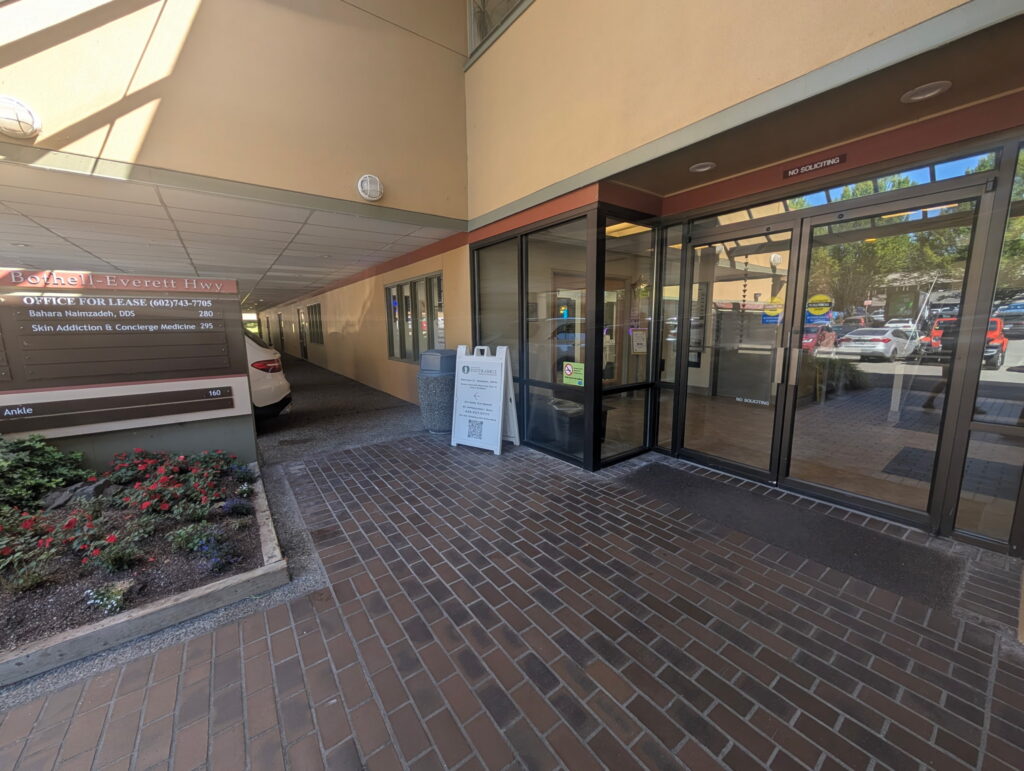
Integrative Foot and Ankle Centers of Washington, Mill Creek
16030 Bothell Everett Highway, Suite 160
View Clinic
Integrative Foot and Ankle Centers of Washington, Kirkland
13030 121st Way NE, Suite 204
View Clinic

Don’t wait for foot pain to slow you down. Schedule your preventive screening today.
We’re here to help you stay comfortable, active, and on your feet.