
Relief From Corns and Calluses
Painful bumps and thickened skin on your feet can be treated safely with expert podiatric care and lasting prevention.
What You Need To Know
Understanding corns and calluses can help you find lasting relief and prevent them from returning.
Corns and Calluses Treatment and Care
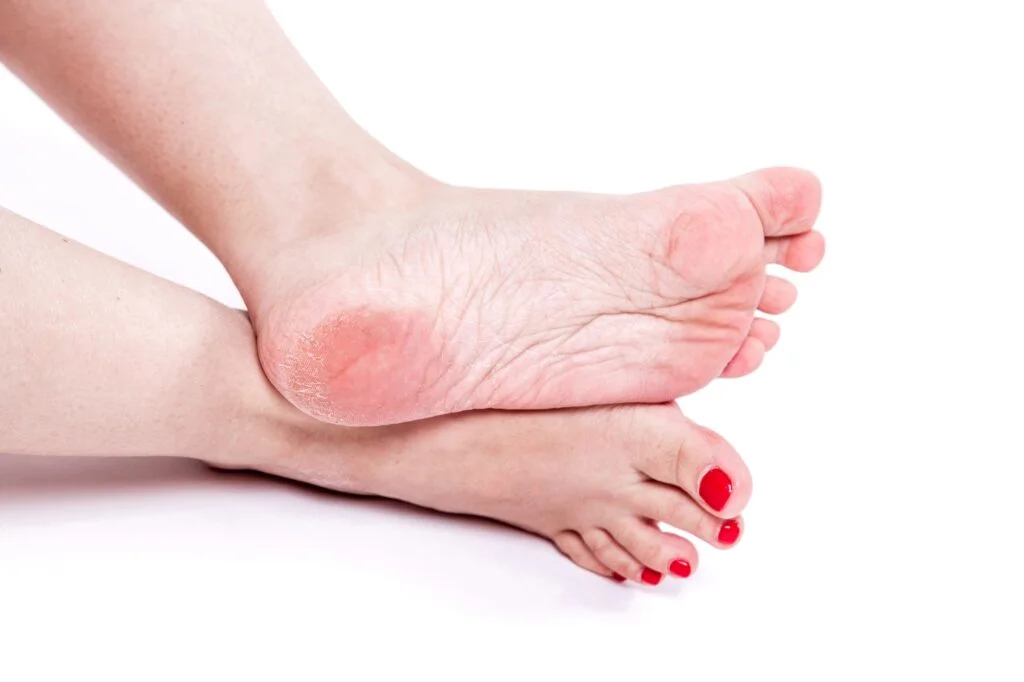
Corns are hardened bumps, normally found on the top or on the side of the toes. Some may also be found on the bottom of the feet. Corns are typically small and circular and have either hard or soft centers. Hard corns are generally found on the more firm areas of the foot, while soft corns are typically found in areas prone to be more moist, such as in between the toes.
You may have a corn if you notice a raised, hardened bump on your foot, skin that is dry and flaky or waxy, and feel pain or tenderness underneath the skin. Calluses share many of these same qualities but tend to be larger, flatter areas of thickened skin, most often on the soles or heels where pressure builds over time.
There are many factors that play into why a person may develop a corn. Certain factors include wearing shoes or socks that are too tight, regularly walking barefoot or not wearing socks often, old age, or repeatedly jogging or exercising in a certain way that causes friction. Having other foot-related complications, such as hammertoe or bunions, can increase your risk of developing a corn.
If your corn is extremely painful or if you have diabetes or poor circulation, we recommend you seek professional help. Because the removal process is best done by a doctor, it’s important you seek the help of a podiatrist who can aid you in determining a treatment plan best suited for your particular case. Contact our office to schedule an evaluation and get started on care.
Prevention and Long-Term Foot Health
Preventing corns and calluses starts with reducing the friction and pressure that cause them in the first place. To help prevent the formation of corns, it’s recommended that you wash your feet daily with soap, water, and a scrubbing brush. It’s also useful to wear shoes that leave your toes with plenty of space, as well as cutting your nails straight across and not digging into the sides.
Footwear plays a major role in whether corns and calluses return. Shoes that pinch the toes, rub against the tops of the feet, or lack proper cushioning can quickly create new pressure points. Choosing footwear with a wide toe box, adequate arch support, and soft interior seams can make a noticeable difference in day-to-day comfort.
Moisturizing the feet regularly helps keep skin flexible and less prone to cracking around thickened areas. For patients who spend long hours on their feet or who have foot structure concerns like hammertoe or bunions, protective padding or custom orthotics may help redistribute pressure and reduce recurrence.
Without certain footwear or lifestyle changes, it’s likely for a corn to develop again. Working with a podiatrist gives you a clear plan to address the current problem and protect your feet going forward, so you can stay comfortable and active.
Find Corns and Calluses Care Nearby
Our Washington locations make it easy to get expert care for corns and calluses close to home.
Integrative Foot and Ankle Centers of Washington, Port Orchard
1950 Pottery Avenue, Suite 120
View Clinic
Integrative Foot and Ankle Centers of Washington, Bremerton
900 Sheridan Road, Suite 101
View Clinic
Integrative Foot and Ankle Centers of Washington, Renton
4300 Talbot Road South, Suite 315
View Clinic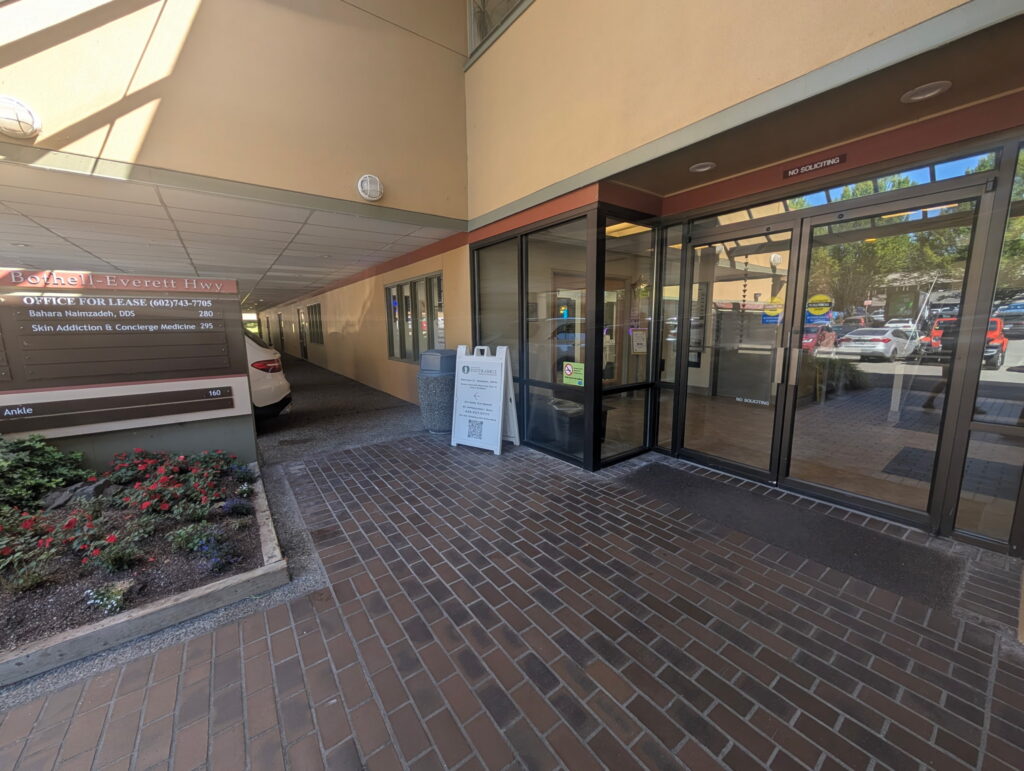
Integrative Foot and Ankle Centers of Washington, Mill Creek
16030 Bothell Everett Highway, Suite 160
View Clinic
Integrative Foot and Ankle Centers of Washington, Kirkland
13030 121st Way NE, Suite 204
View Clinic

Don’t let painful corns and calluses keep you from enjoying every step you take.
We’re here to help you get comfortable relief with care that’s close to home.