
Ingrown Toenail Treatments in WA
Relief from painful, swollen, and infected toenails with careful, personalized care from experienced podiatrists.

What You Need To Know
Understanding ingrown toenails, why they happen, and when to seek treatment.
Care for Painful Ingrown Toenails
Ingrown toenails can form when the side of a toenail begins to grow into the flesh surrounding the nail. As a result, the affected toe, most commonly the big toe, may become red, swollen, painful, and in severe cases, infected.
There are many reasons why an ingrown toenail may develop. Improperly cutting your toenails is a major cause of ingrown toenails. If toenails aren’t cut straight across or are cut too short, the likelihood of getting an ingrown toenail may increase. Other causes include having unusually curved toenails, wearing shoes that don’t give your toes an ample amount of space, and hereditary factors. Injuring the toe by stubbing it or having an object fall on it may also lead to ingrown toenails.
Common signs to watch for include tenderness along the side of the nail, redness, swelling, drainage, or a warm sensation around the affected toe. If left untreated, an ingrown toenail can lead to further complications with the foot, including infection that spreads into the surrounding tissue.
If you are someone who has diabetes, it’s extremely important to remain mindful of ingrown toenail prevention, as minor cuts or simple scrapes can lead to serious complications. If you or someone you know is suffering from ingrown toenails, seek out the help of a podiatrist for a proper diagnosis and treatment plan.
Treatment Options and Prevention
Treatment for an ingrown toenail will vary on a case by case basis. One form of treatment requires lifting the ingrown nail and placing a splint or piece of cotton underneath to redirect the nail as it grows. This conservative approach is often used for mild cases where the skin is not badly inflamed or infected.
Another method for a more severe case would involve partially removing the nail. This is typically performed in the office using a local anesthetic so the procedure is comfortable, and it allows the rest of the nail to continue growing normally while the offending edge is taken away.
For cases that need extreme care, or for recurring ingrown toenails, the nail itself and a portion of the underlying tissue would have to be removed. This more definitive procedure helps prevent the same edge of the nail from becoming ingrown again in the future.
You can prevent ingrown toenails by ensuring toenails are trimmed straight across and at a moderate length, wearing shoes that fit properly with room for your toes, and checking your feet daily for signs of foot issues. Small changes to how you cut your nails and choose your footwear go a long way toward avoiding recurrence.
Whether you are dealing with a first-time ingrown toenail or a recurring problem, our podiatrists will walk you through the options and help you decide on the right treatment for lasting relief.
Where to Find Ingrown Toenail Care
Visit one of our convenient Washington locations for expert ingrown toenail care.

Integrative Foot and Ankle Centers of Washington, Port Orchard
1950 Pottery Avenue, Suite 120
View Clinic

Integrative Foot and Ankle Centers of Washington, Bremerton
900 Sheridan Road, Suite 101
View Clinic
Integrative Foot and Ankle Centers of Washington, Renton
4300 Talbot Road South, Suite 315
View Clinic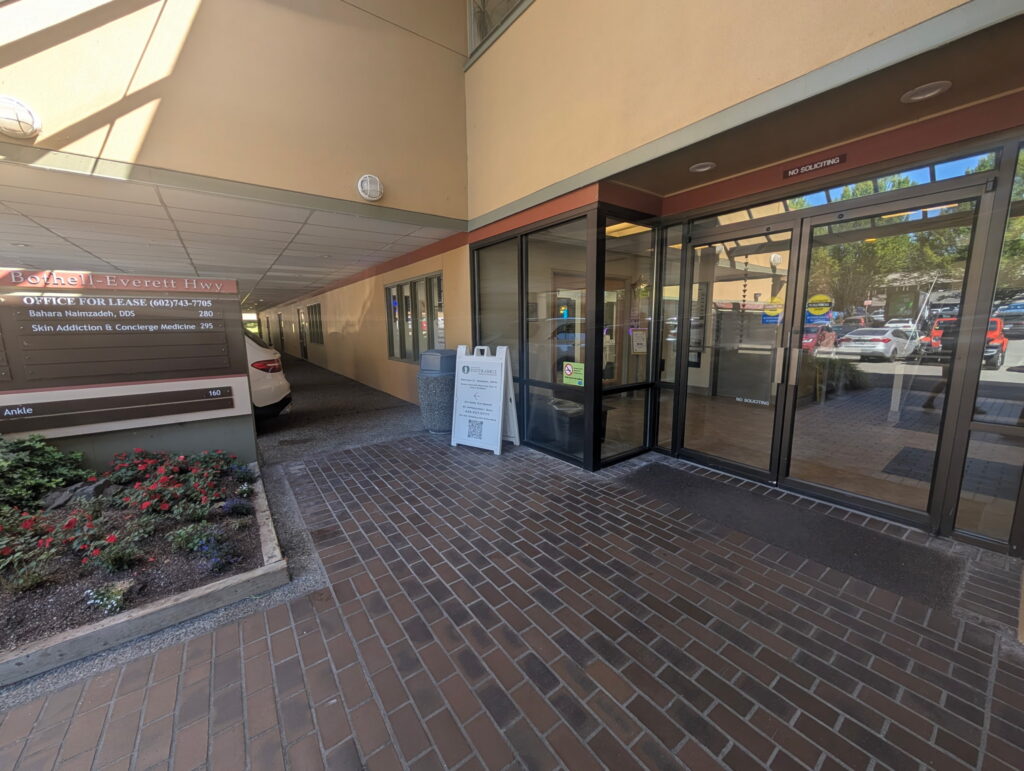
Integrative Foot and Ankle Centers of Washington, Mill Creek
16030 Bothell Everett Highway, Suite 160
View Clinic
Integrative Foot and Ankle Centers of Washington, Kirkland
13030 121st Way NE, Suite 204
View Clinic

Don’t let a painful ingrown toenail keep you from doing what you love.
We’re here to help you find comfort quickly with expert, gentle care.