
Chronic Pain and Conditions Care
Lasting relief for ongoing foot and ankle pain, from Morton’s neuroma to ganglion cysts and stubborn ankle issues.

What You Need To Know
A closer look at the chronic foot and ankle conditions we treat and how relief begins.
Understanding Chronic Foot and Ankle Pain
The feet serve as the foundation of the body. When pain is experienced, it is extremely important to identify early on what and where the issue is. The causes of foot pain vary greatly, including diseases, deformities, improper footwear, and injuries. Those who experience foot pain may also notice redness, swelling, soreness, bruising, or numbness at the injured area.
Ankle pain, while initially thought of as an issue for athletes, can affect anyone at any time. Everyday activities, such as walking or running on an uneven surface, can cause serious harm to the ankle. In fact, half of all ankle sprains are inflicted during an athletic activity. Signs of an ankle injury include pain, swelling, bruising, or an inability to bear weight on the area.
Morton’s neuroma may develop when the tissue around one of the nerves leading to your foot begins to thicken. When this occurs, you may feel discomfort as if you were standing on a pebble stuck in your shoe. Symptoms include sharp, burning pain in the ball of the foot and a stinging feeling in the toes that may lead to numbness.
Ganglion masses, or cysts, are soft tissue growths that often appear near joints in the foot or ankle and can cause pressure or difficulty with footwear. If you are experiencing ongoing pain, we recommend meeting with a podiatrist as soon as possible for a proper diagnosis and treatment plan.
Treatment Options and Recovery
Treatment for foot and ankle pain varies for each case, depending on both the cause of pain and the location of the affected area. Common recommendations for easing discomfort include getting plenty of rest, icing and heating the affected area, pain relievers, compression, and keeping the foot elevated to reduce swelling. For ankle injuries, wrapping the joint for support can help stabilize it during healing.
Treatment for Morton’s neuroma will often vary depending on the severity of the condition. In some cases, injections may be helpful for alleviating pain. Another option is decompression surgery, in which a podiatrist works to relieve pressure on the nerve. In more severe cases, full removal of the nerve would be required. Avoiding high heels and repetitive high-impact activity can also help reduce symptoms.
Ganglion masses are normally removed through surgery on an outpatient basis. During the procedure, the cyst is dissected from the surrounding soft tissues and removed. Recovery depends on the location of the ganglion and the amount of dissection required. Patients often receive a splint or below-the-knee cast, and the surgeon may require the use of crutches for several days to up to three weeks.
Possible complications from cyst removal include infection, excessive swelling, and nerve damage, and there is a chance the cyst will reform. Whatever the source of your chronic pain, a podiatrist can guide you through the options that best fit your condition so you can return to daily activity with confidence.
Related Services
Find Chronic Pain Care Near You
Visit one of our convenient locations for evaluation and treatment of chronic foot and ankle pain.

Integrative Foot and Ankle Centers of Washington, Port Orchard
1950 Pottery Avenue, Suite 120
View Clinic

Integrative Foot and Ankle Centers of Washington, Bremerton
900 Sheridan Road, Suite 101
View Clinic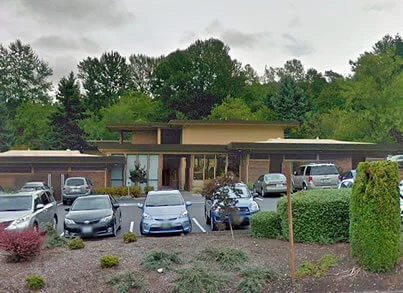
Integrative Foot and Ankle Centers of Washington, Renton
4300 Talbot Road South, Suite 315
View Clinic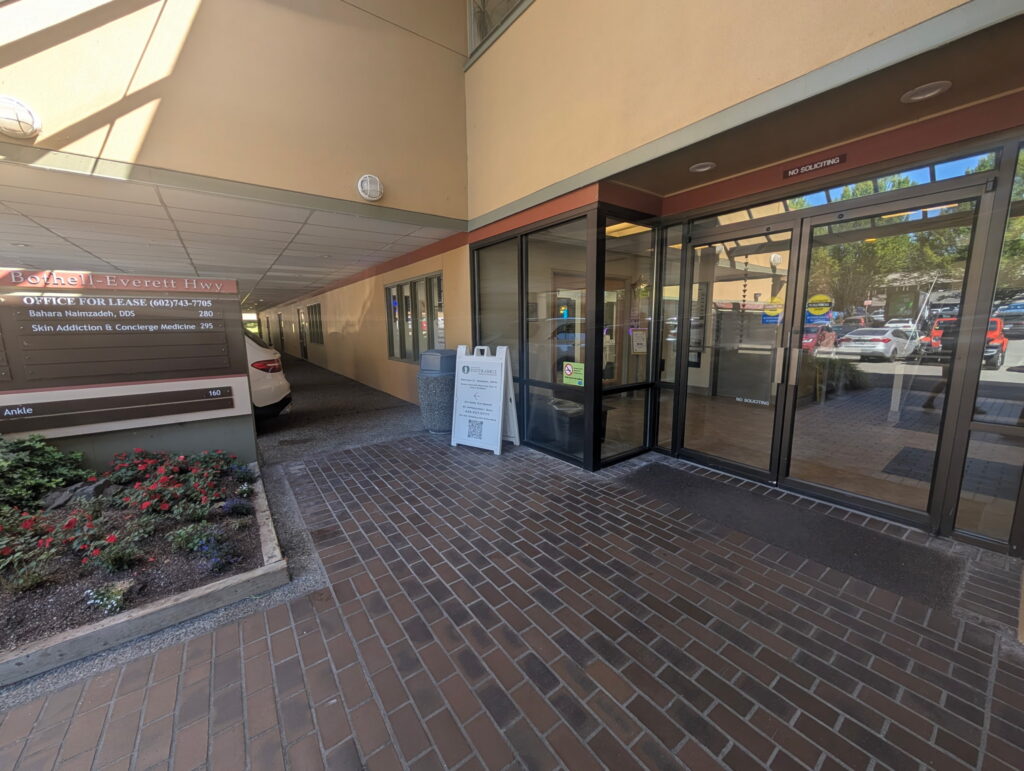
Integrative Foot and Ankle Centers of Washington, Mill Creek
16030 Bothell Everett Highway, Suite 160
View Clinic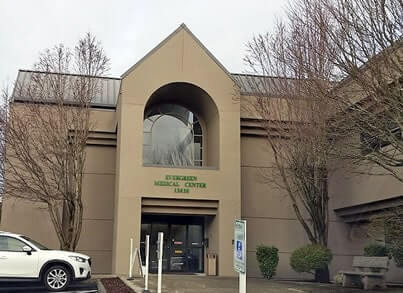
Integrative Foot and Ankle Centers of Washington, Kirkland
13030 121st Way NE, Suite 204
View Clinic
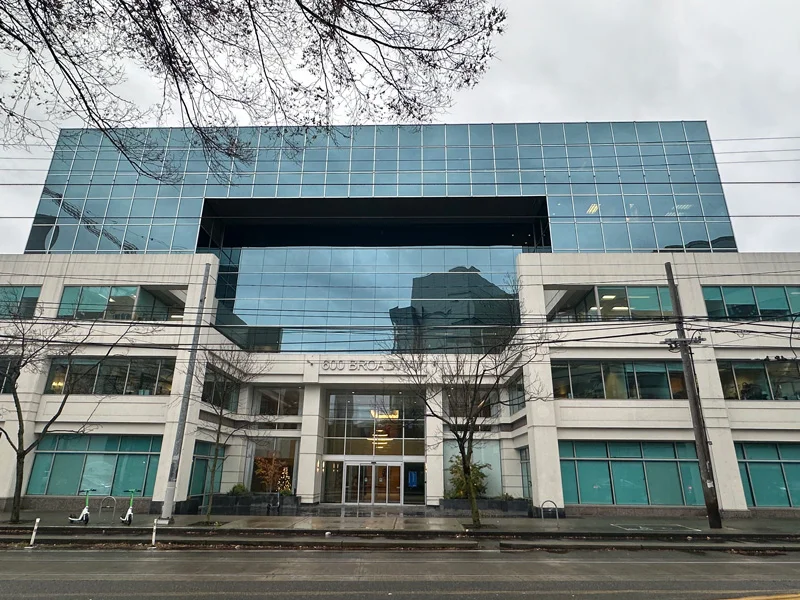
Don’t let chronic foot or ankle pain hold you back any longer.
We’re here to help you find relief and get moving comfortably again.